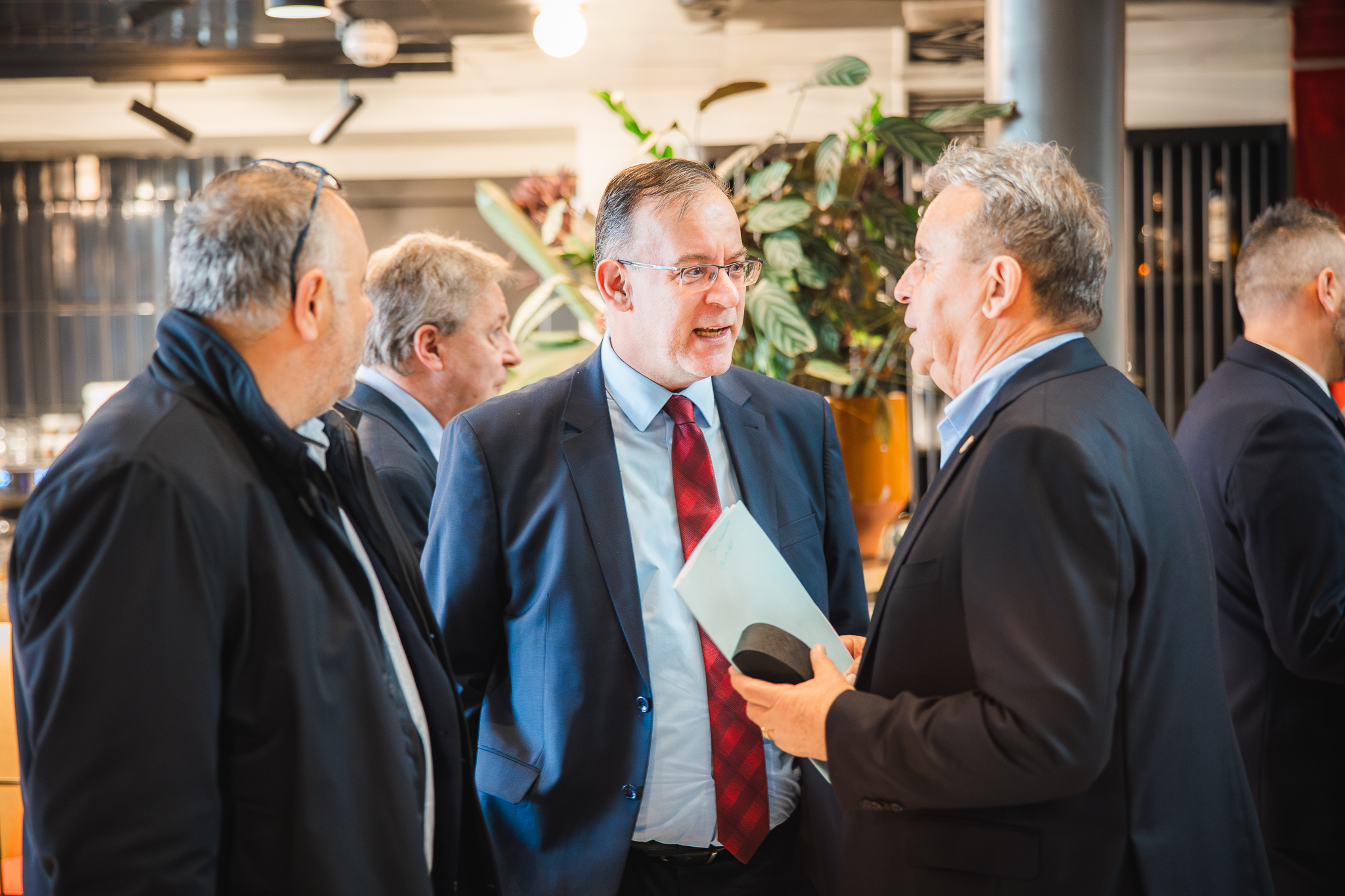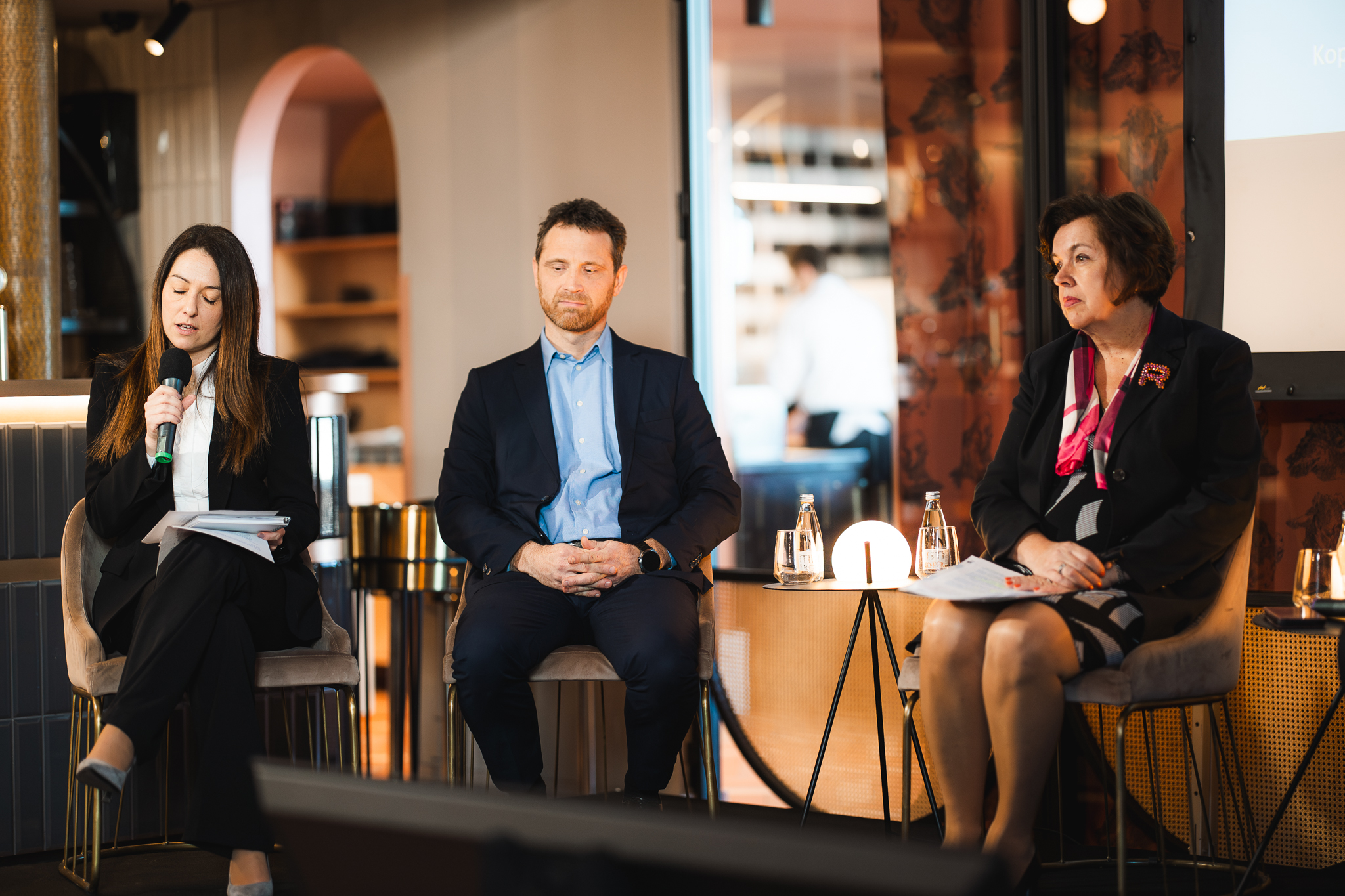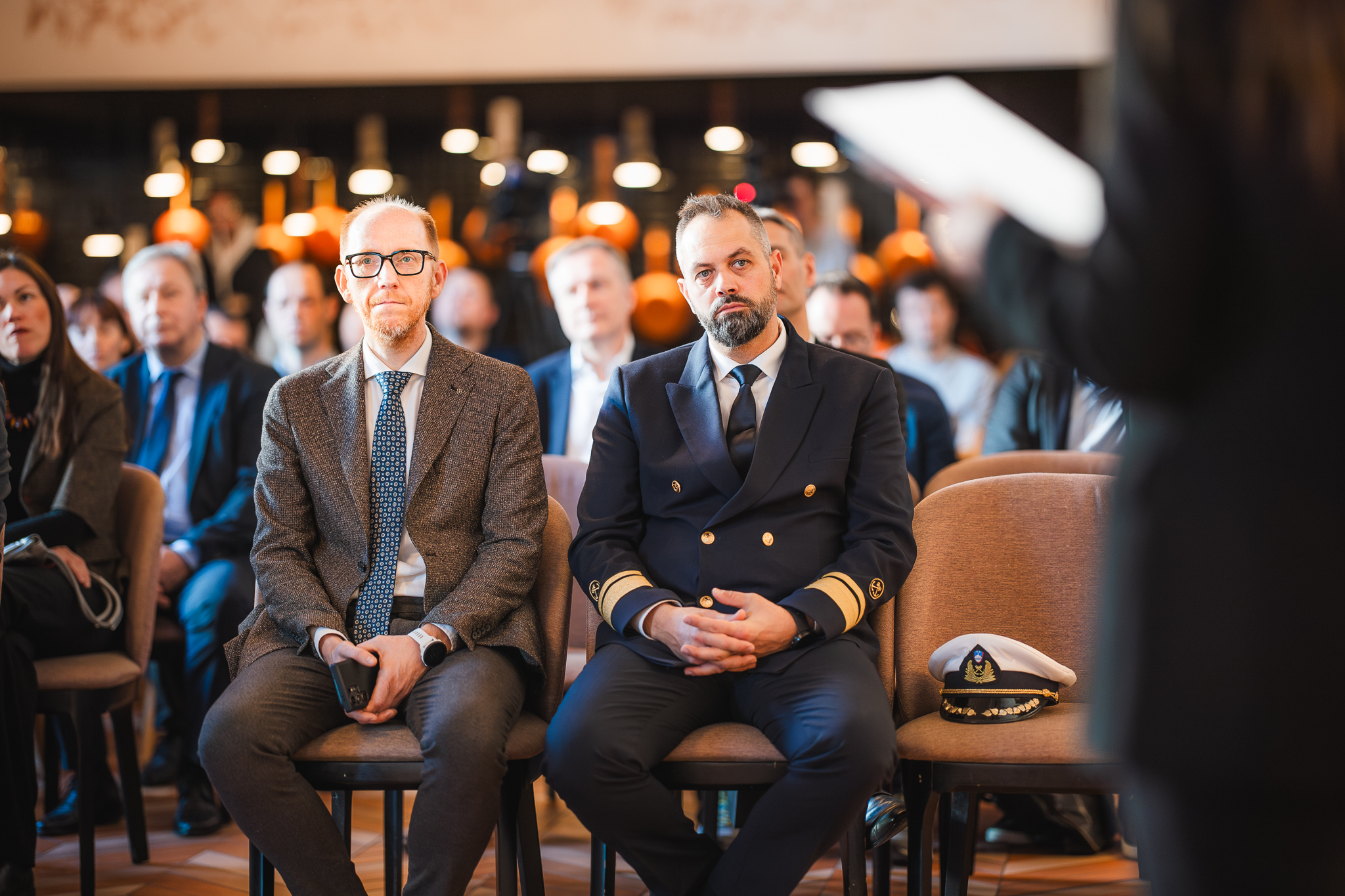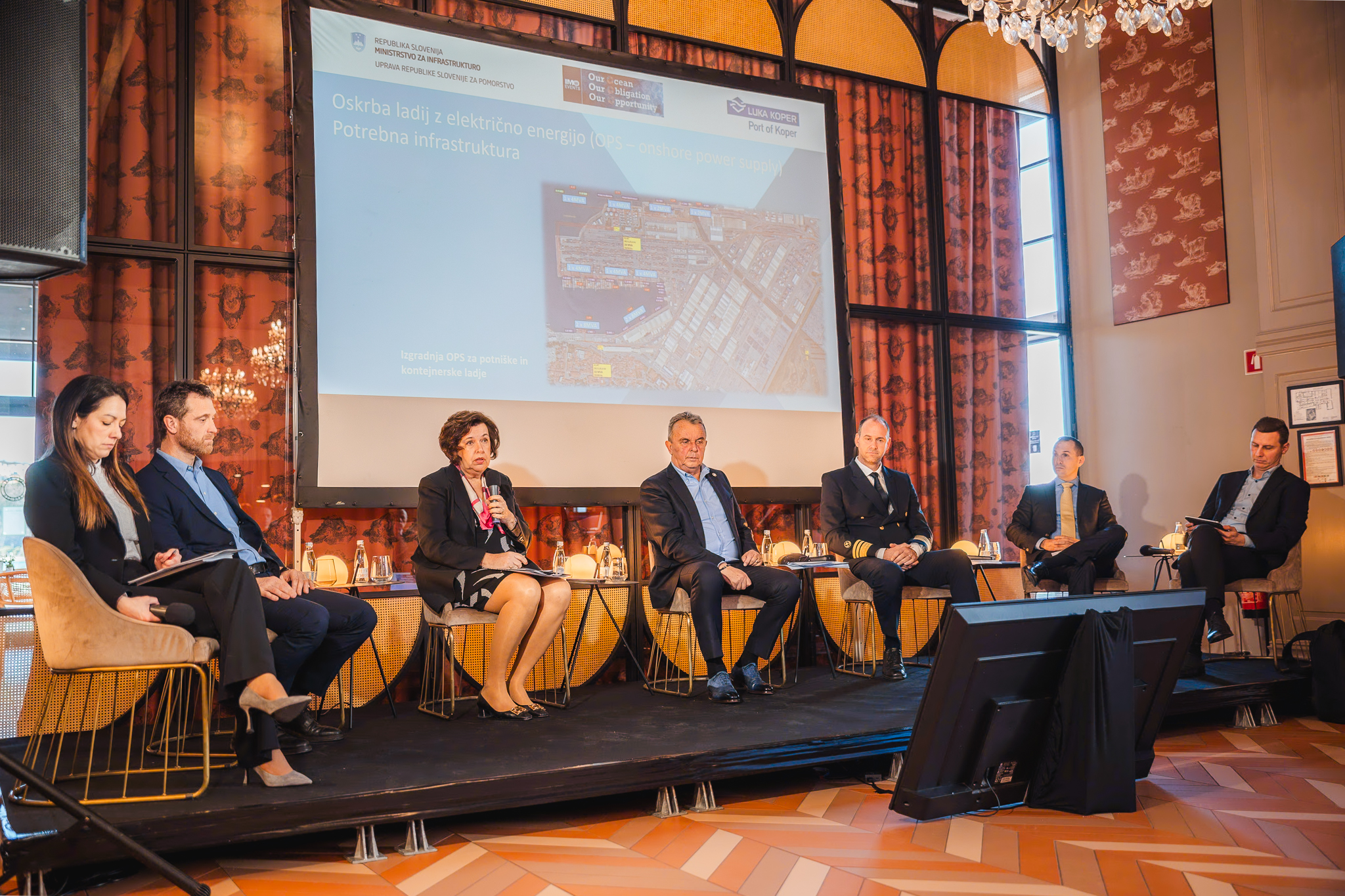
Global trade relies heavily on maritime transport, which forms the backbone of the world’s supply chain. In light of the global shift toward more sustainable operations, reducing greenhouse gas emissions in maritime transport remains one of the sector’s greatest challenges. The roundtable, held in the elegant setting of the Grand Koper Hotel, brought together several distinguished participants: Nevenka Kržan, President of the Management Board of the Port of Koper; Ivić Vodopija, Managing Director for Central and Southern Europe at A.P. Moller – Maersk; Rok Štrukelj, Director of the shipping agency Centralog; Gracijan Necmeskal, President of the Slovenian Ship and Freight Agents Association; Dr. Peter Vidmar, Dean of the Faculty of Maritime Studies and Transport; and Mag. Jadran Klinec, Director of the Slovenian Maritime Administration. The discussion focused on the challenges and opportunities that the pursuit of a more sustainable future presents for maritime logistics.
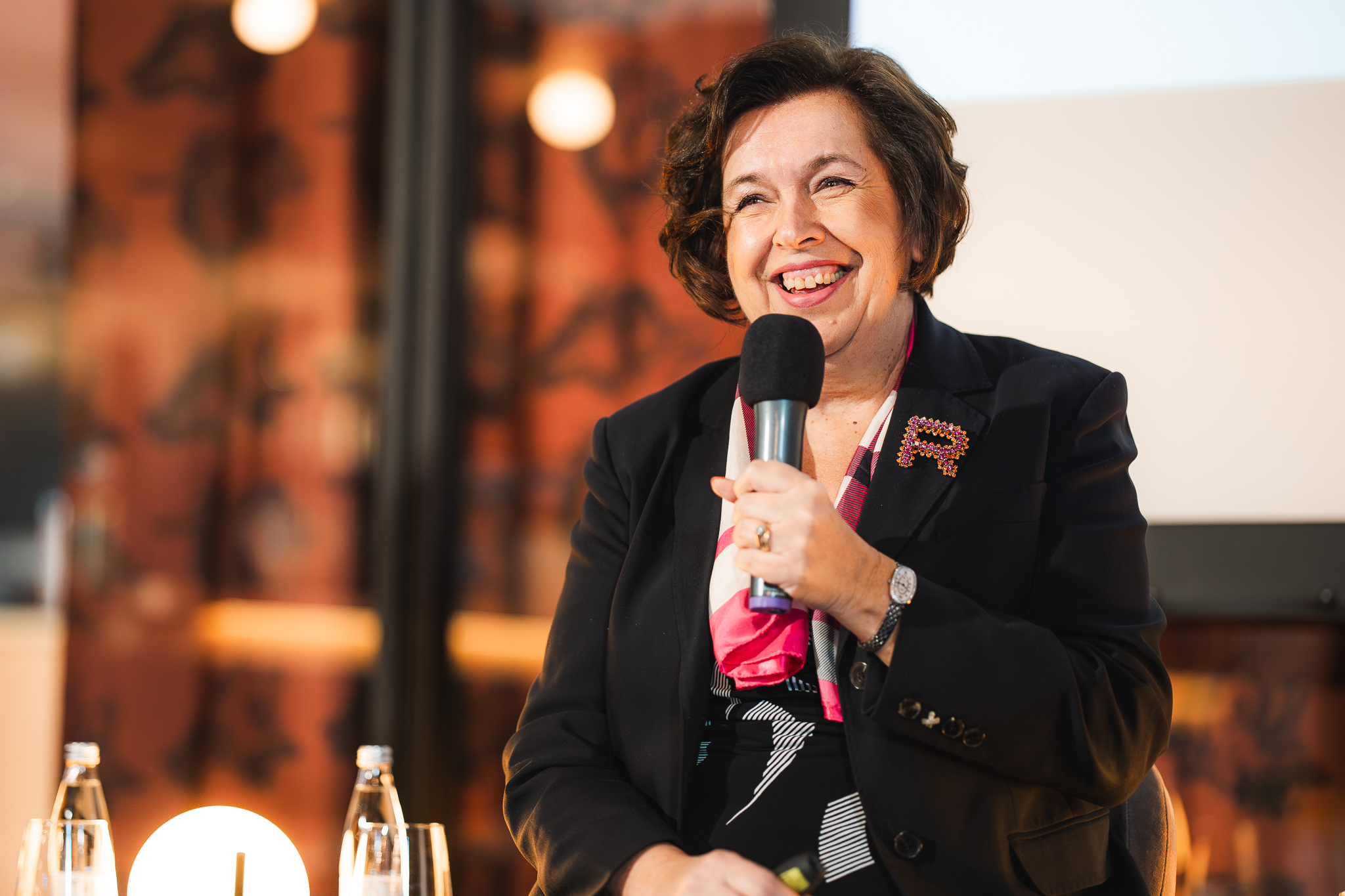
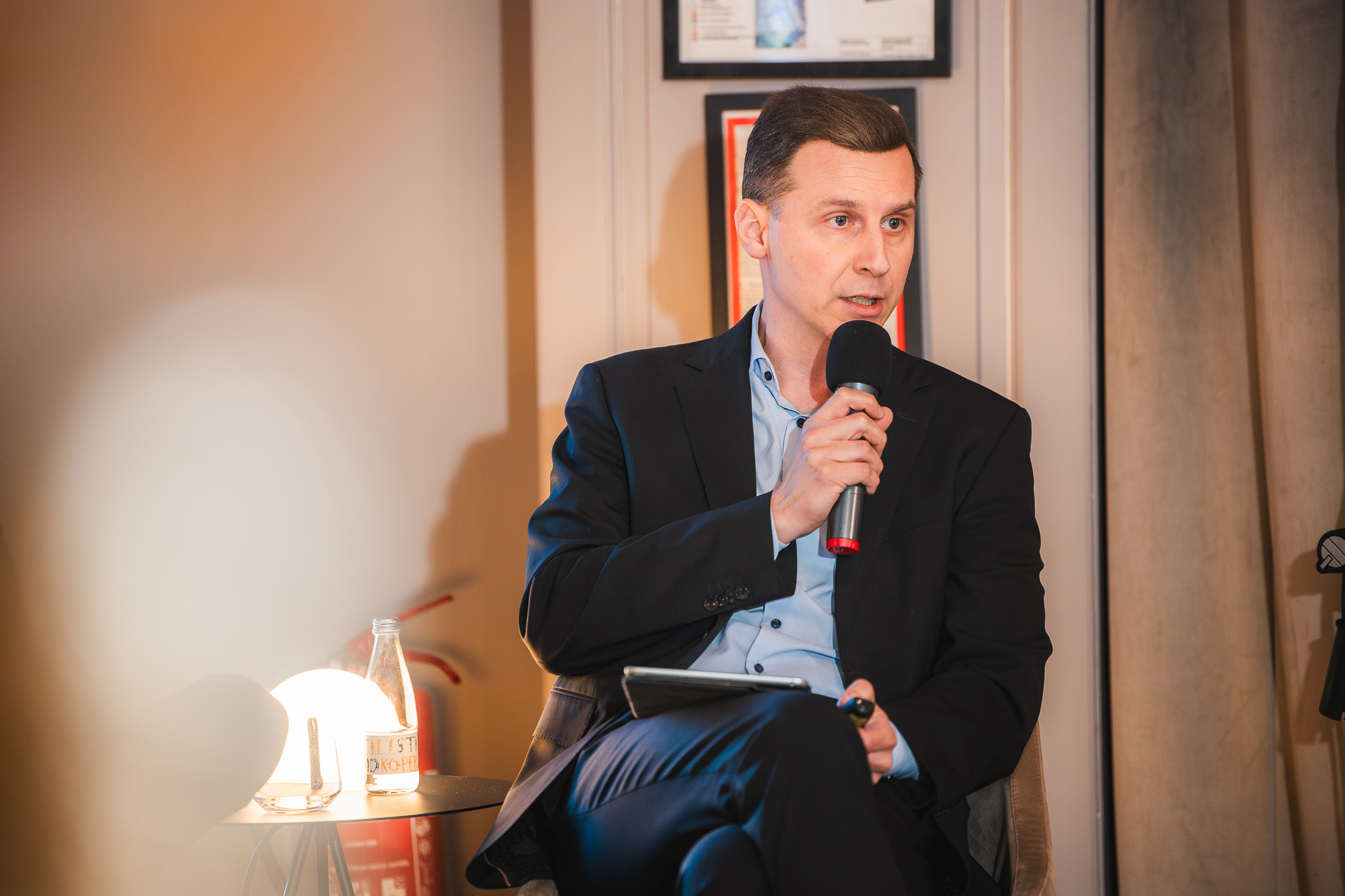
At Luka Koper d.d., the company managing Slovenia’s only cargo port, a new strategic business plan for the 2024–2028 period was adopted at the end of 2023, identifying the transition to climate neutrality as one of its key objectives. “The story of sustainable development at the Port of Koper is not new, but it has become particularly relevant in recent years. From the very beginning, we have set very high standards and to date have obtained six important certifications. We have also actively pursued the electrification of equipment and port machinery, and are gradually striving to increase the share of energy obtained from renewable sources. All with the aim that by 2030 we will build solar power plants with a total capacity of 10.5 MW, which will provide 25% of the electricity consumed at that time,” said Nevenka Kržan, President of the Management Board of the Port of Koper, when presenting the port’s activities.
Ms. Kržan also emphasized that the most important project of the next five-year period will be the establishment of infrastructure for supplying ships with electricity directly from shore. “The first step is to ensure sufficient electrical capacity to enable the smooth operation of all systems and equipment, as well as to provide electricity for ships while in port. Together with ELES, we are leading a project under which we will build a transformer station in front of the port, while at the same time beginning the construction of all the necessary infrastructure within the port.”
Not only ports, but shipping companies are also committed to adopting key measures that will contribute to reducing their carbon footprint and gradually transitioning to alternative propulsion fuels. “One of the first ships powered by green methanol arrived to Koper last summer. We hope there will be many more such vessels in the future. At Maersk, we are striving to steer our entire service toward the green transition. We will include 25 green methanol-powered vessels in our fleet; five are already in operation, and the rest have been ordered. As sourcing this energy carrier is challenging due to limited raw materials, at the end of the year an additional 20 container vessels equipped with dual-fuel engines running on liquefied natural gas (LNG) were ordered,” explained Ivić Vodopija, Managing Director of Maersk for Central and Southern Europe, when outlining the activities of one of the world’s largest shipping companies and the challenges they face.
Efforts by cruise companies are also focused on achieving net-zero emissions in the maritime industry: “These efforts are not only the result of legislation or regulation, but also of passenger demands and, ultimately, the expectations of destinations themselves, which want to be green. This is why shipping companies are constantly seeking new green solutions. Some are focusing on liquefied gas, others on methanol, and still others on ammonia. Some Scandinavian shipping companies have already introduced vessels with hybrid electric propulsion. It is also important to note that ships built in the last ten years are already equipped with all the necessary systems for connection to shore-side power. The much greater challenge lies in building the infrastructure itself,” said Rok Štrukelj, Director of the shipping agency Centralog.
Gracijan Necmeskal, President of the Slovenian Ship and Freight Agents Association, highlighted, among other things, the role of railways: “There are still several key areas that need to be addressed, one of which is undoubtedly the delivery of goods to end customers. We talk a lot about the construction of the second railway track, and the fact is that it is very difficult to anticipate. Currently, the road-to-rail throughput ratio favors road transport, and in recent years this has not improved. This is an area where there are still opportunities for all of us.”
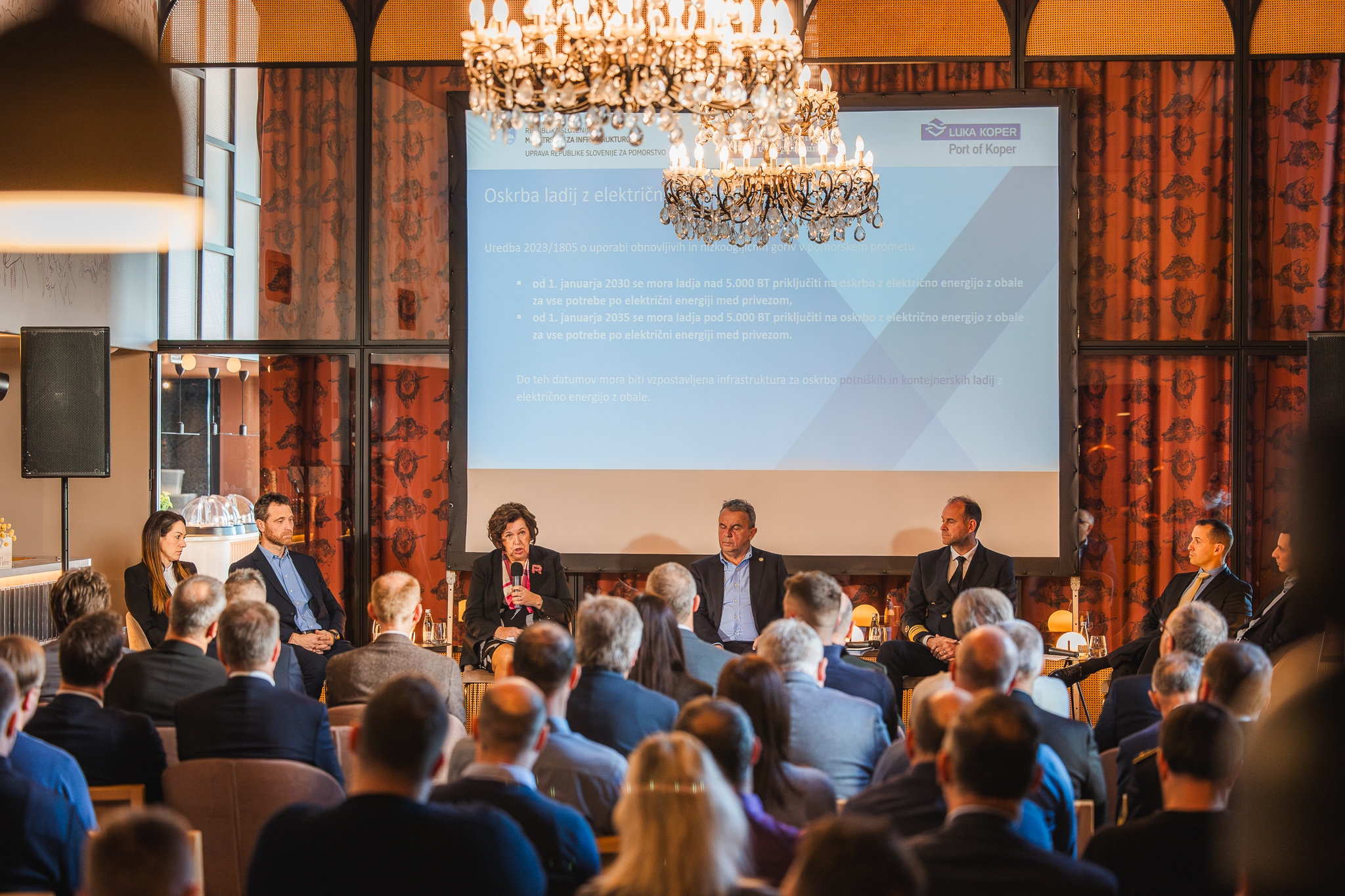
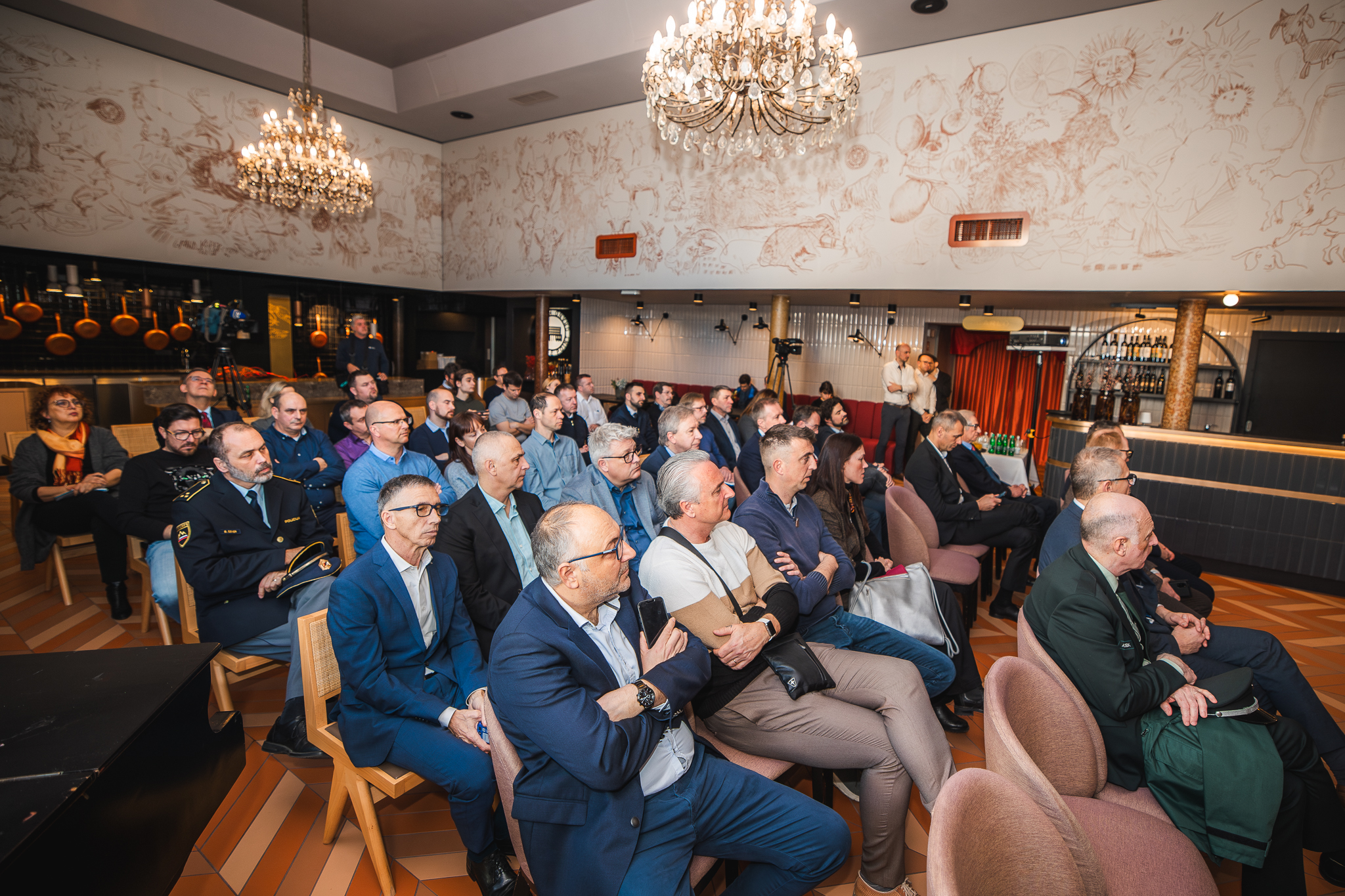
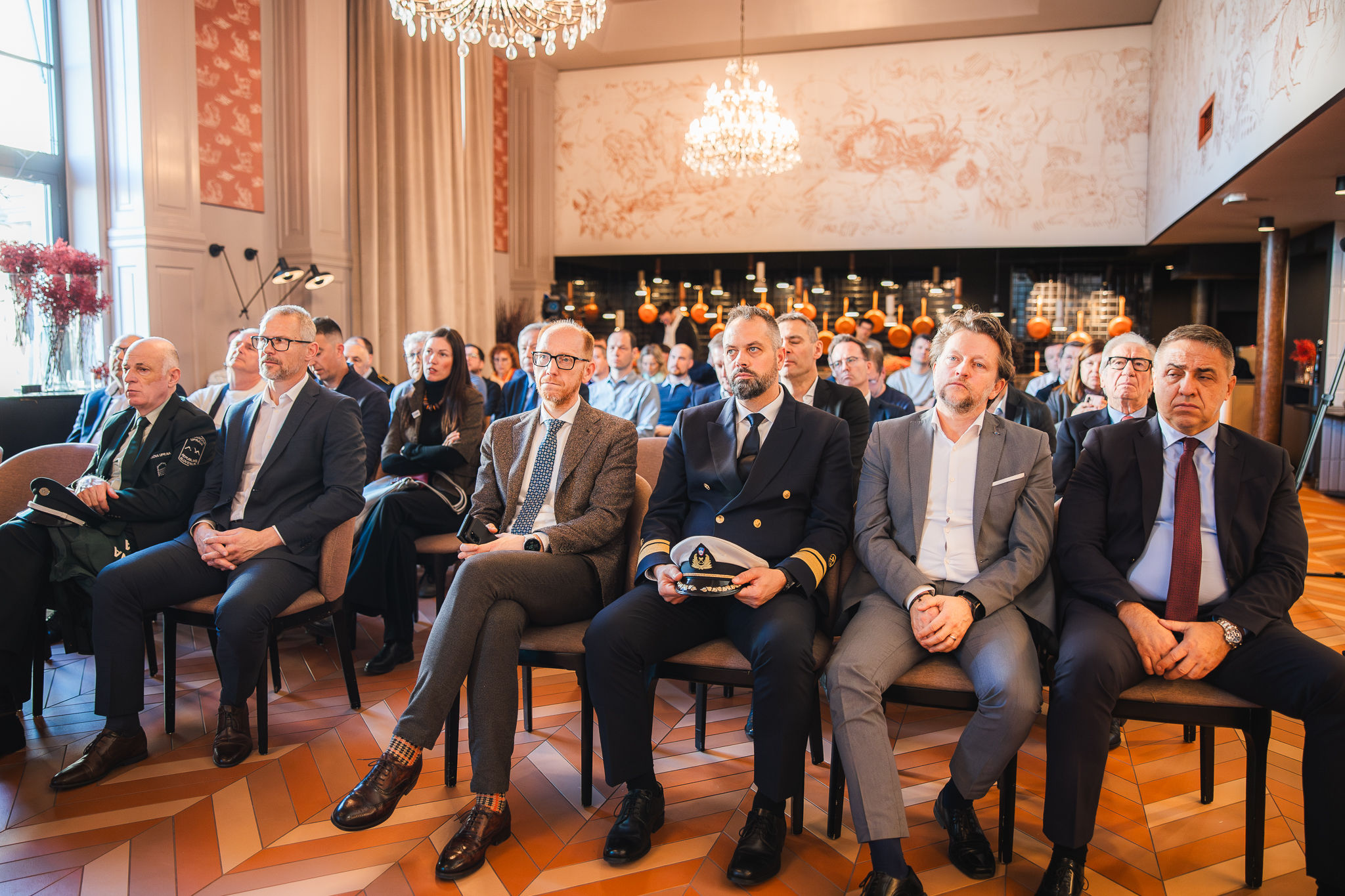
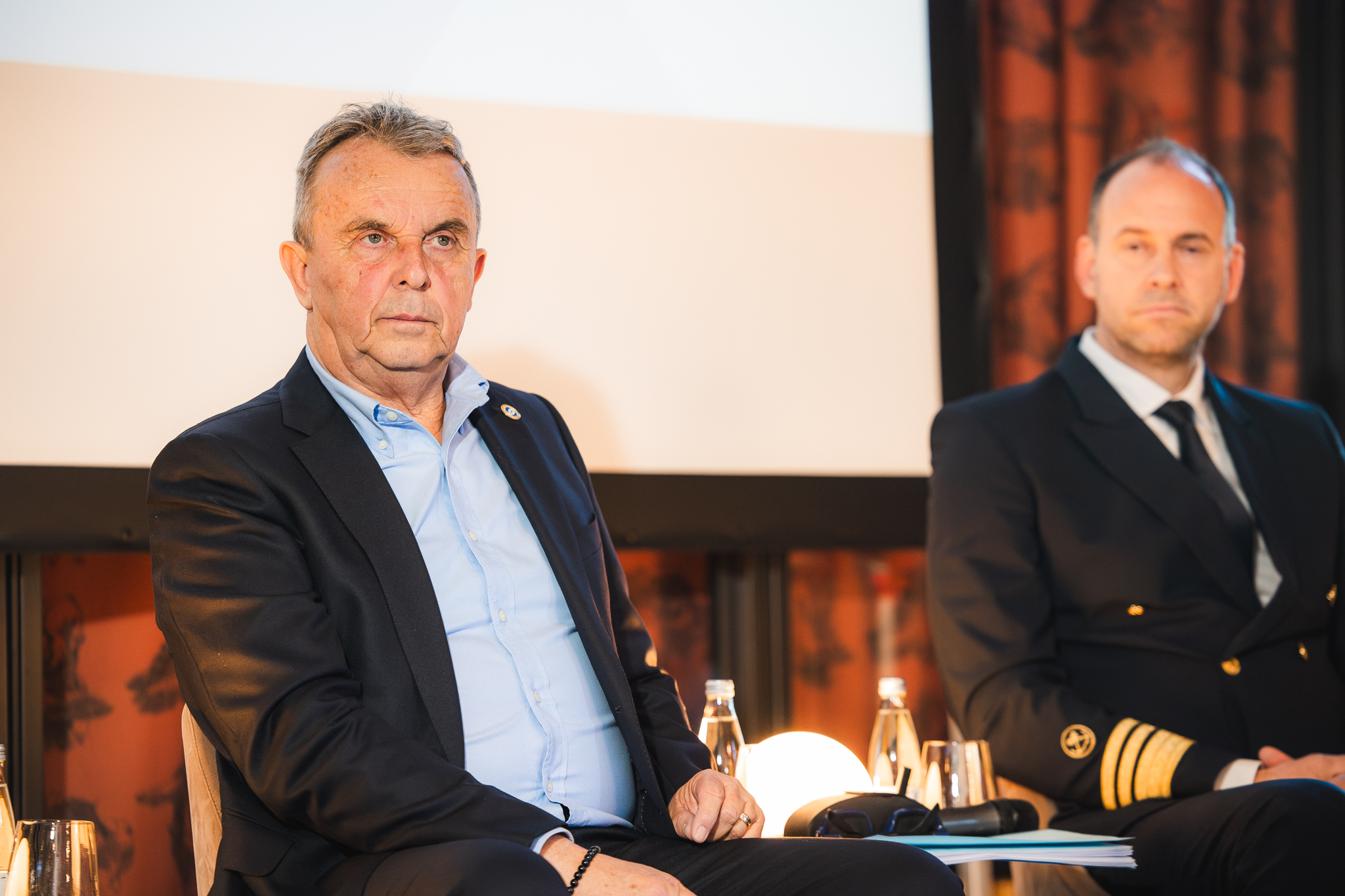
The transition to a carbon-neutral economy also requires adjustments in the scientific and educational spheres, as new knowledge and competencies are needed for successful implementation. Dr. Peter Vidmar, Dean of the Faculty of Maritime Studies and Transport, agreed that reaching a consensus on the use of alternative fuels will be crucial in the coming period: “Discussions are currently underway among maritime transport stakeholders about which alternative fuels – such as methanol, hydrogen, or ammonia – are the most suitable. At first glance, the industry appears to have many options regarding the choice and installation of these new propulsion systems, but in reality, manufacturers primarily want clarity on which direction to develop such systems. Propulsion systems using different fuels are completely different from one another, which is of course important if we want to bring them to market in truly large-scale, serial production. Most of these projects are still in the pilot phase today.”
Mag. Jadran Klinec, Director of the Slovenian Maritime Administration, pointed out that the EU legislative framework on the climate transition in maritime transport is broad and does not focus solely on greenhouse gas (CO₂) emissions, but also on many other impacts: “In addition to reducing greenhouse gases, reducing sulphur and nitrogen oxides is also very important. There is also the crucial area of marine protection, which includes illegal discharges of grey and oily waters, underwater noise, ship-generated waste, and the recycling of end-of-life vessels.” Regarding the use of alternative fuels, he warned that precise procedures in the event of accidents involving such vessels have not yet been fully developed, as, for example, extinguishing methanol fires differs from extinguishing hydrocarbon fires, meaning that stakeholders in this field still have work ahead of them.