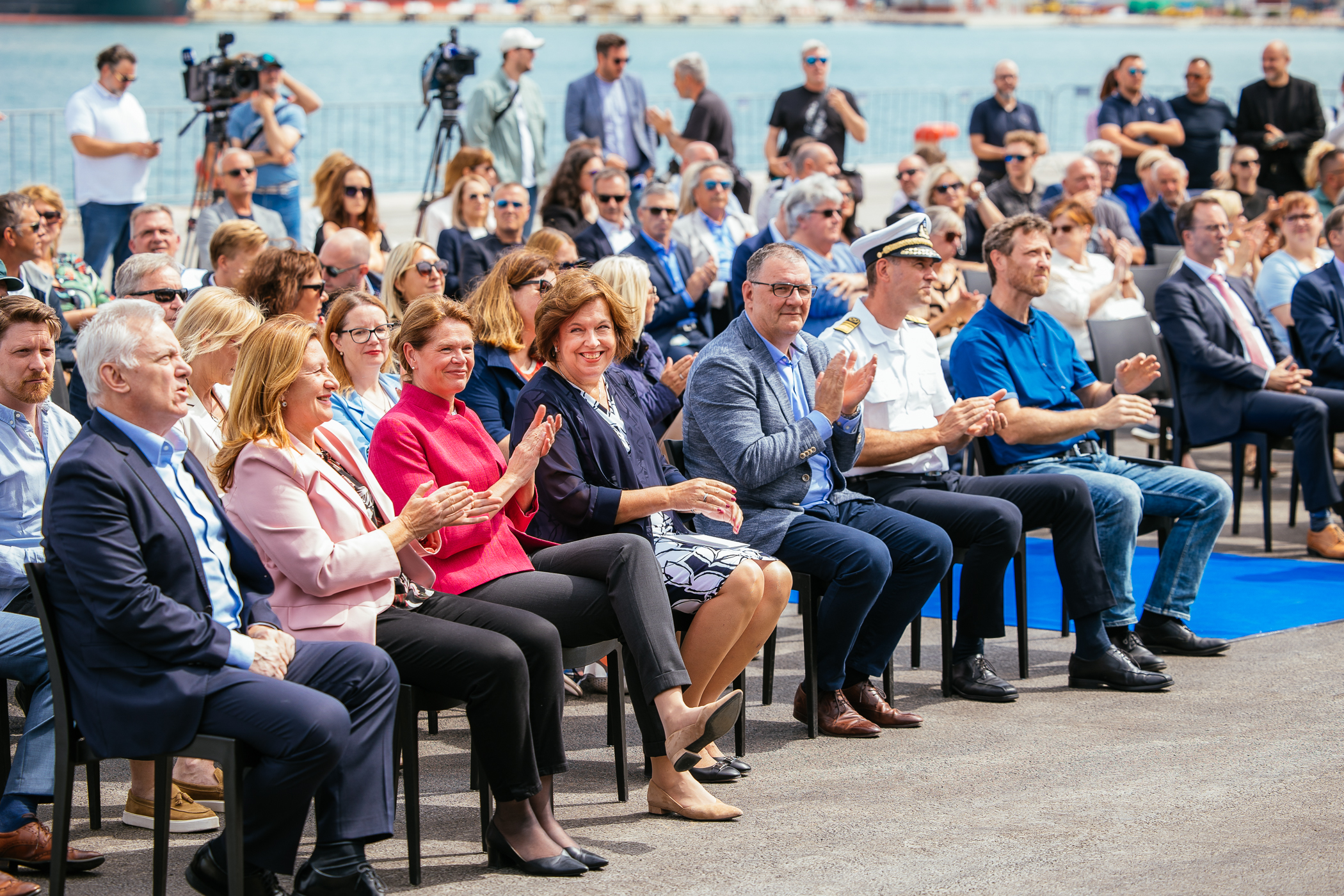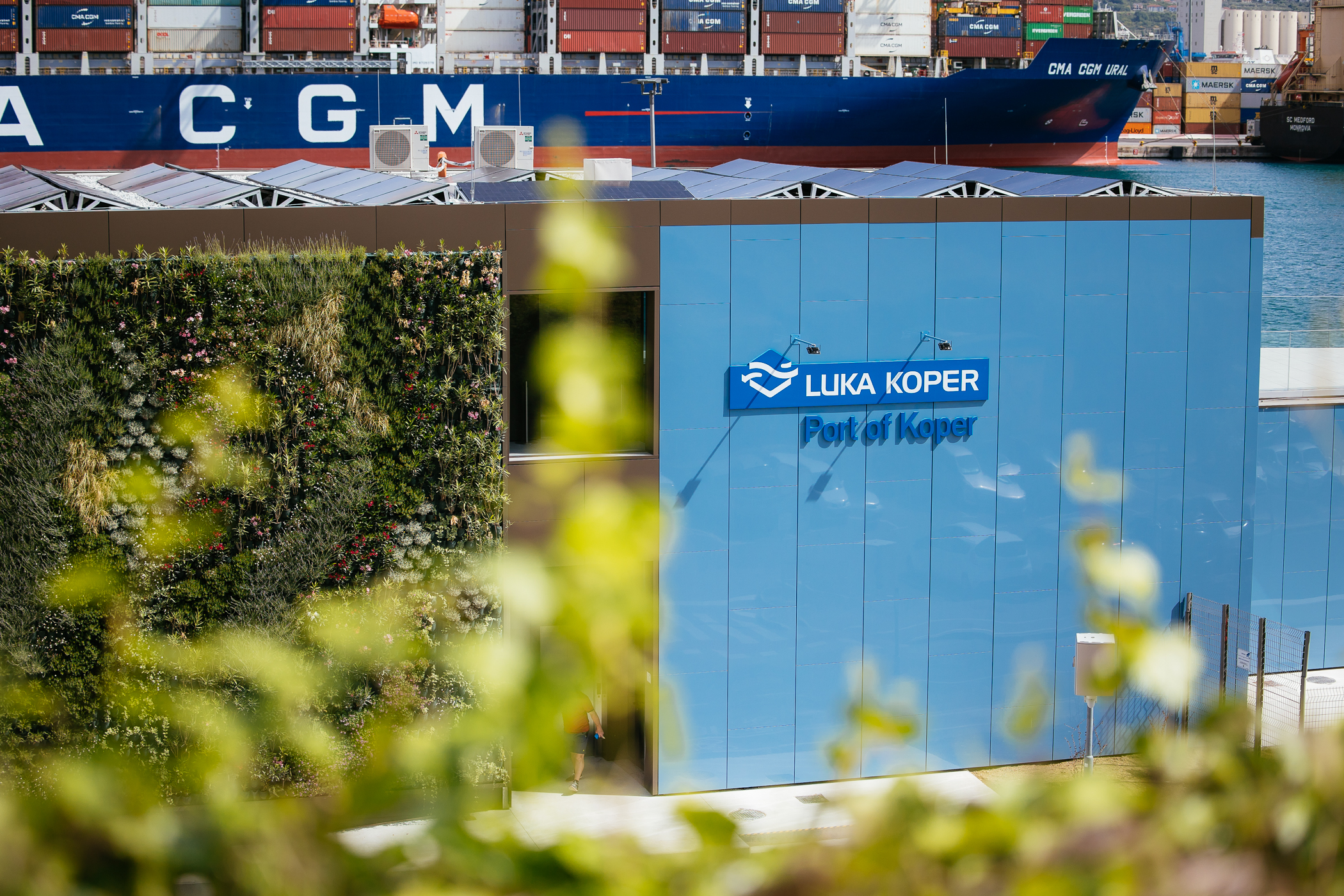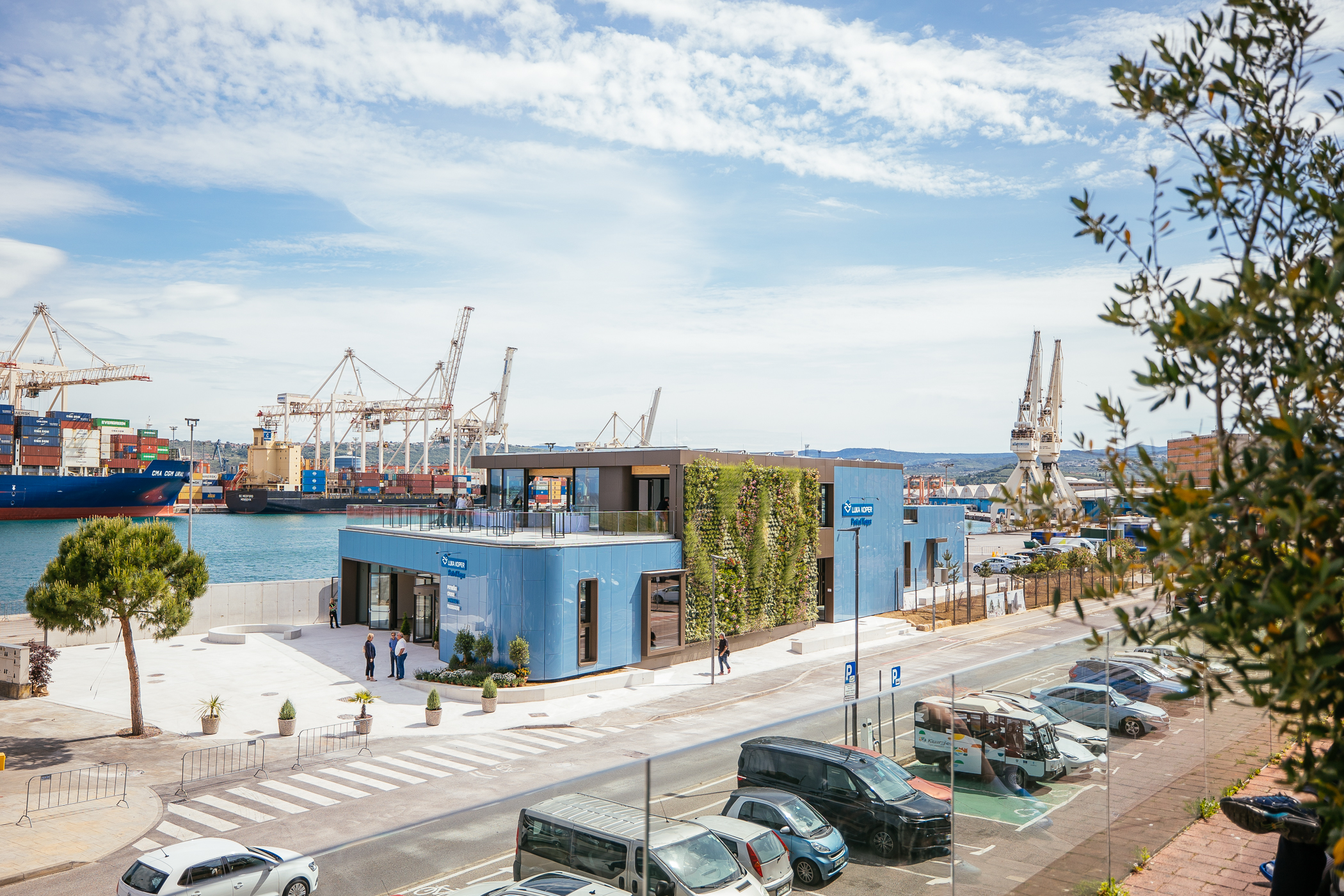
“The construction of a new building has been discussed for decades. Today, this long-awaited goal is being realized. This part of the town, which until recently was closed off with warehouses and inaccessible to the public, has transformed into a space of openness, connection, and future development. With the new building, it is also becoming a new place for socializing and intergenerational gatherings,” said Nevenka Kržan, President of the Management Board of Luka Koper, welcoming the new development. She noted that the new, attractive, and sustainable building replaces a temporary tent and will significantly improve working conditions and the delivery of services at the terminal.
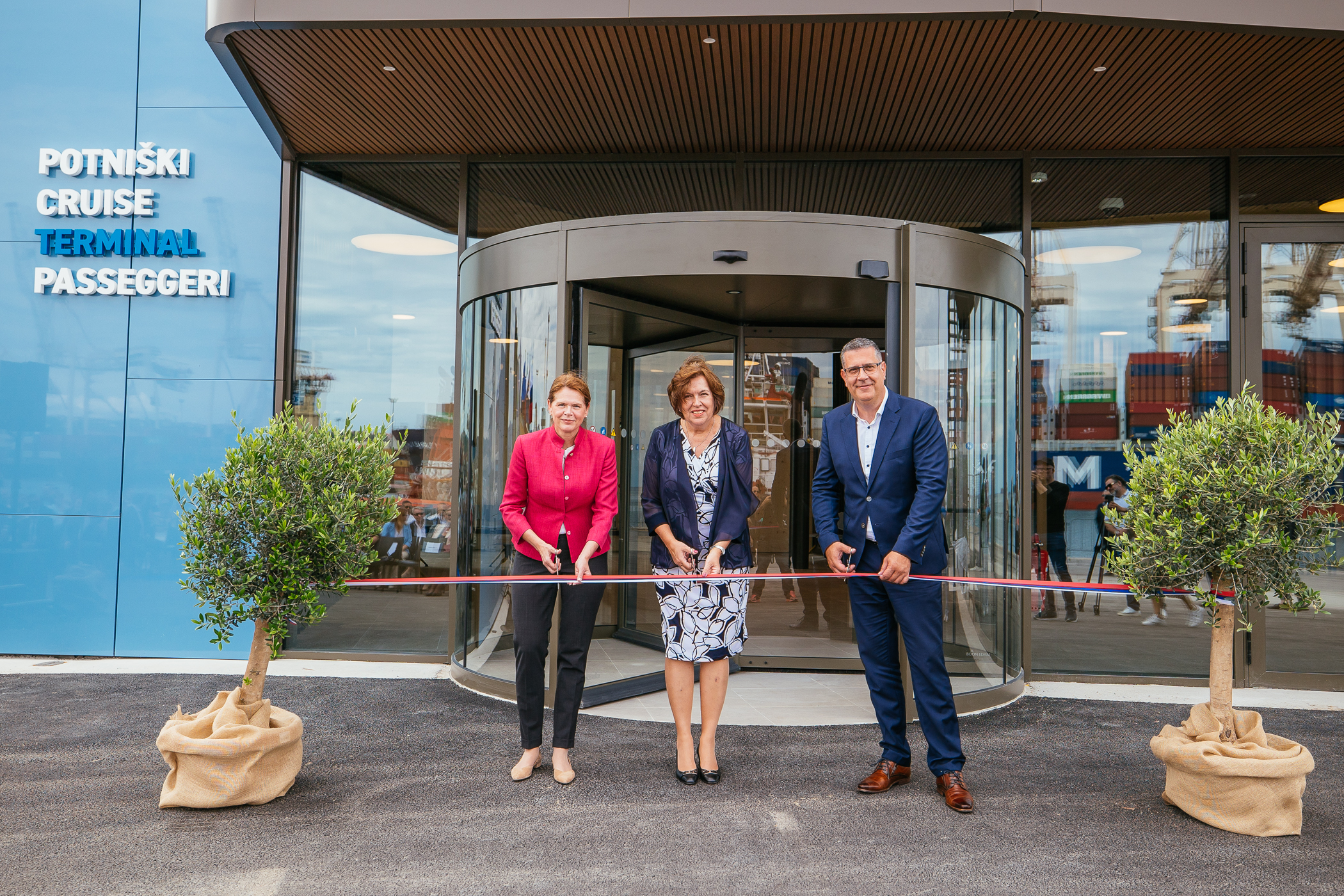
“Today we are not only opening new doors to the town. With the new Passenger Terminal, we are further connecting two of our strategic sectors for economic growth, new jobs, and greater visibility of Koper as a modern, open, and attractive city,” said Aleš Bržan, Mayor of the Municipality of Koper, during the terminal opening. Koper has learned to coexist with activities that many consider incompatible. It is both one of Europe’s most important ports and a lively tourist center. As Bržan emphasized, today we demonstrate that we can go even further through sustainable approaches, the inclusion of local expertise, and development that respects both space and people.
The opening was also addressed by the guest speaker, Minister Alenka Bratušek, who believes that the project sets an example of what can be achieved through coordinated action and shared goals: “With the new terminal, we are realizing the vision outlined in Slovenia’s Maritime Policy Resolution, which emphasizes the key importance of passenger transport development and sustainable tourism along the Slovenian coast.” She noted that Koper has long been more than just a modern cargo port. It is increasingly establishing itself as an important cruise port, gaining a reputation as an attractive destination on the Mediterranean cruise map. One of its key advantages is its location and proximity to the town center.
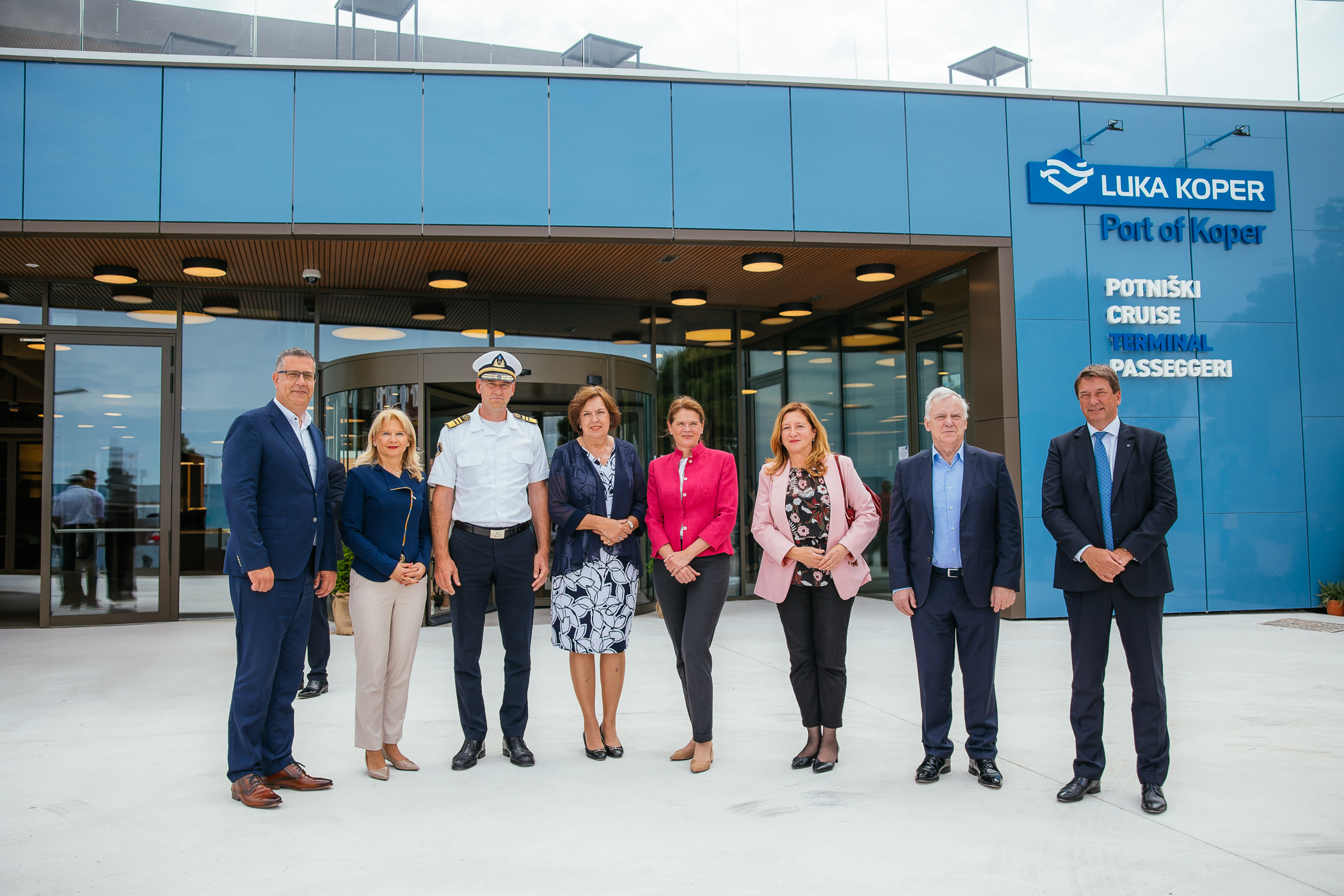
“The new terminal reflects the strategic vision of Slovenian tourism, aiming to create higher added value for all stakeholders. It raises the quality of services for passengers, encourages higher spending, and increases the visibility of Koper and Slovenia as attractive cruise destinations,” highlighted Mag. Maja Pak Olaj, Director of the Slovenian Tourist Board.
Pak Olaj added that Koper serves as the gateway, while Slovenia offers a destination rich in content, with a clear focus on cruise tourism development: “We focus on quality, authenticity, and responsible development. We offer experiences with a strong local character while respecting nature and the community.”
On the 20th anniversary of cruise tourism in Koper, in collaboration with the Slovenian Tourist Board and the Institute for Youth, Culture, and Tourism Koper, we opened an outdoor photo exhibition by Koper photographer Jaka Ivančič at the Luka Koper Gallery, featuring images of Slovenia’s, Slovenian Istria’s, and the Karst region’s most visited tourist attractions by cruise ship passengers. On the initiative of the above-mentioned Institute, another exhibition is opening this afternoon in the Koper bell tower, followed by the presentation of the photo book Slovenia, Land of Contrasts.
The opening ceremony included performances by the Koper Wind Orchestra, dancers from the Fiona Dance School, singer Julija Jogan, and guitarist Gabrijel Juriševič.
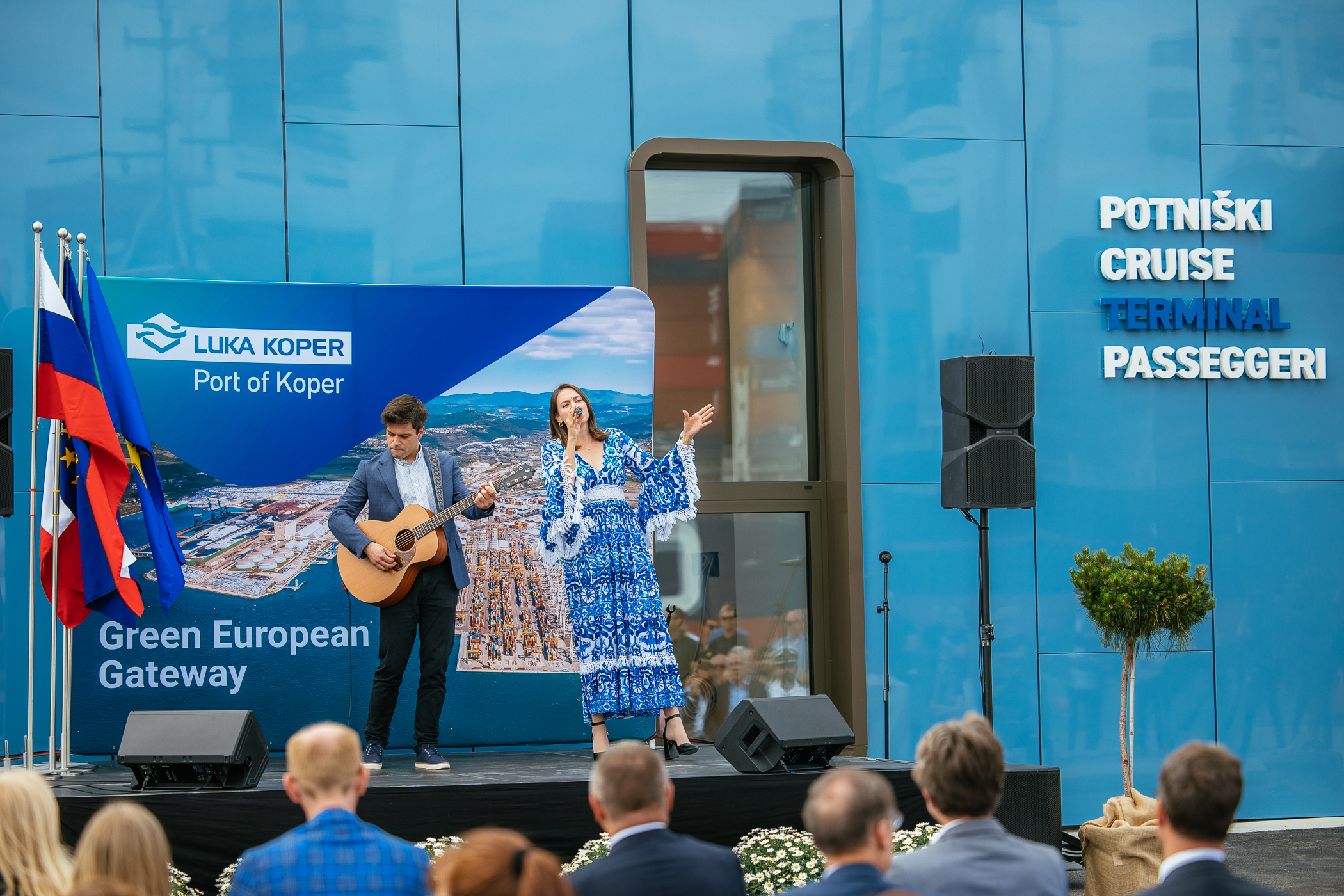
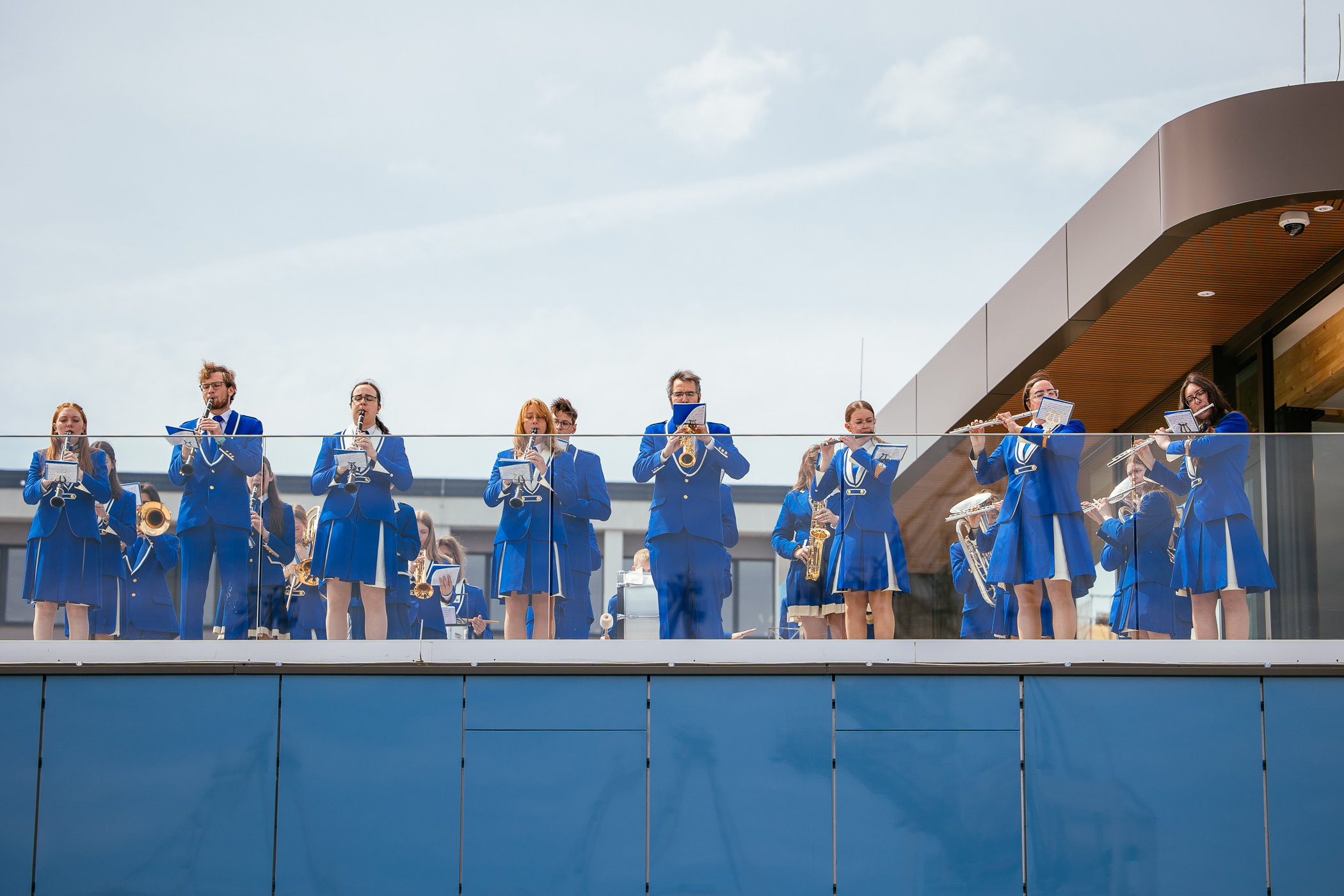

A building that respects the past while looking to the future
The new, modern Passenger Terminal is visitor-friendly and allows for efficient port administration services. It is designed to integrate harmoniously into its surroundings, coexist with the local community, and connect the old town with the sea. Its design ensures safety in accordance with port standards, while providing passengers with a more pleasant experience and offering better working conditions for state authorities and other support services. The building is also intended for the wider public, particularly the local community, as part of it opens toward the town.
The building covers 1,037 square metres across two floors and has been designed with a focus on sustainability, energy efficiency, and the use of recyclable materials, mainly wood and metal. The ground floor features a main hall with areas designated for border control, police, and customs, while the upper floor includes a panoramic terrace, a café, and a protocol hall offering a spectacular view of the port. The surroundings of the terminal are arranged in a Mediterranean style, with local vegetation and a green southern façade planted with decorative greenery.