The first half of this year was marked by the continued adjustment of global trade to changing geopolitical and economic conditions. Despite moderate growth, the European economy remained affected by uncertainty in the international environment, while logistics and transport chains continued to adapt to changing trade routes between Asia and Europe. In these circumstances, European ports, particularly those in the Mediterranean, operated in an environment of increased competition and shifting cargo flows linked to developments in the Suez Canal, the Red Sea and the Strait of Hormuz.
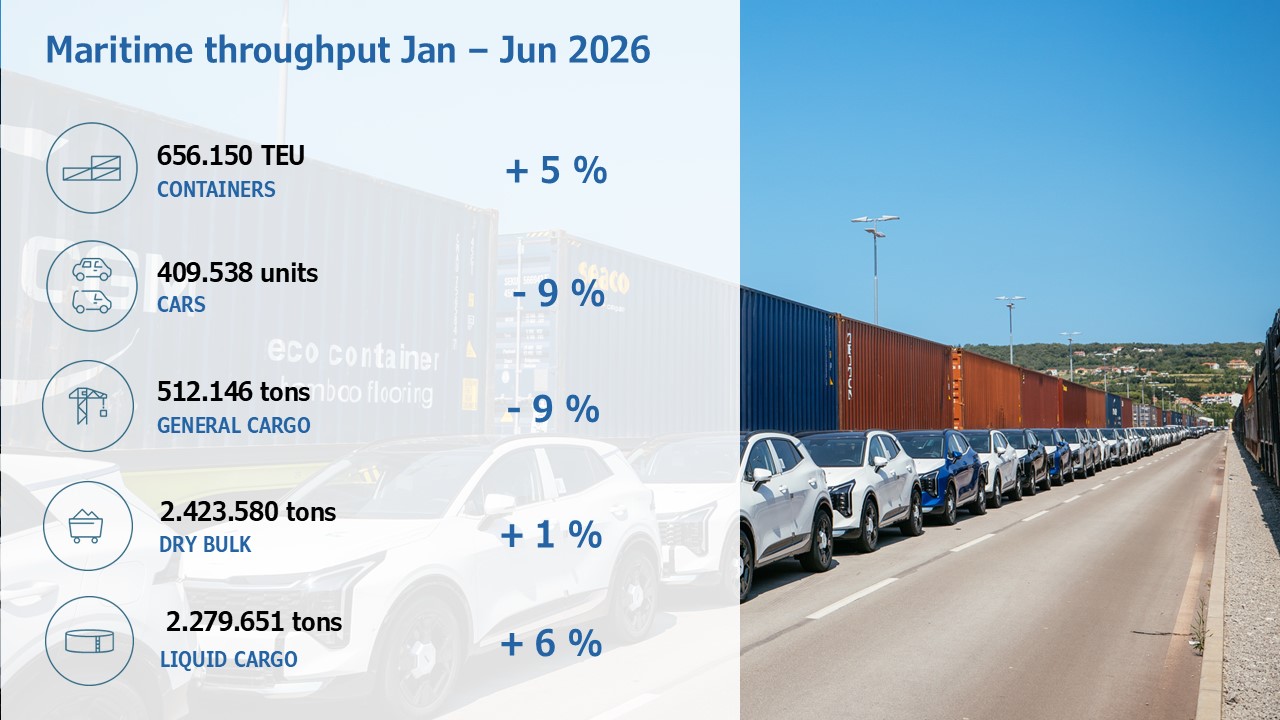
Despite these circumstances, the Company increased container throughput by 5% in the first half of the year, reaching 656,150 twenty-foot equivalent units (TEU). Growth was driven primarily by investments in manufacturing facilities in the hinterland markets, particularly those serving the automotive and logistics industries, which are generating new cargo flows. During this period, we added another regular container service with the Far East to the existing three services, further strengthening our position as a key gateway for the wider region.
Car throughput in the first half of the year amounted to 409,538 vehicles, 9% less than in the first half of 2025. Although we have somewhat mitigated the negative trend recorded in the first quarter in recent months, exports to Turkey, Israel and the wider Middle East remain lower. Demand in these markets has been affected by the introduction of additional duties, the growing presence of Chinese manufacturers and the geopolitical situation in the region, while imports of vehicles from China continue to grow steadily.
Throughput in the dry bulk and bulk cargo segment increased by 1%, while liquid bulk throughput rose by 6%. Due to lower volumes of timber and iron and steel products, general cargo throughput amounted to 0.5 million tonnes, 9% less than in the same period last year. Total maritime cargo throughput in the first half of 2026 reached 11.5 million tonnes, in line with planned volumes and 1% higher than in the first half of 2025.
Growth in key financial indicators
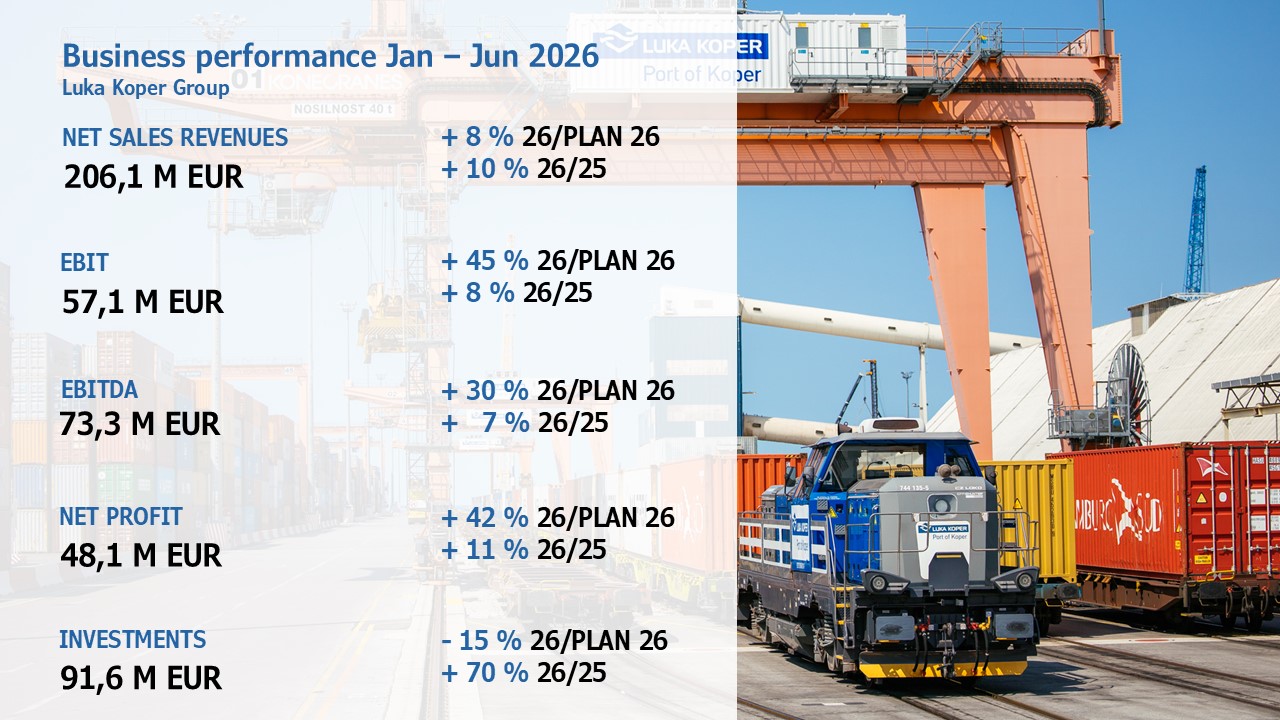
The Group’s net sales revenue reached EUR 206.1 million in the first half of 2026, 10% more than in the same period last year. The increase was driven by higher container throughput and storage-related revenues. Operating profit (EBIT) amounted to EUR 57.1 million, an increase of 8%, with higher net sales revenue having the greatest positive impact on the result. The Luka Koper Group’s net profit for the first half of 2026 amounted to EUR 48.1 million, 11%, or EUR 4.6 million, higher than in the first half of 2025.
“We are actively adapting to changing conditions in the logistics sector and seeking to make the most of every business opportunity. Particularly in uncertain conditions such as those we are currently witnessing, our operational flexibility comes to the fore. In the coming years, we will further enhance this flexibility through investments in new storage and cargo-handling capacities,” said Nevenka Kržan, President of the Management Board of Luka Koper, upon the publication of the results.
More than EUR 90 million invested in infrastructure and equipment in the first half of the year
The year 2026 is marked by the accelerated implementation of major investments as part of an extensive investment cycle in line with the Luka Koper Group’s Strategic Business Plan. In the first half of 2026, EUR 91.6 million was allocated to investments, 70% more than in the same period last year.
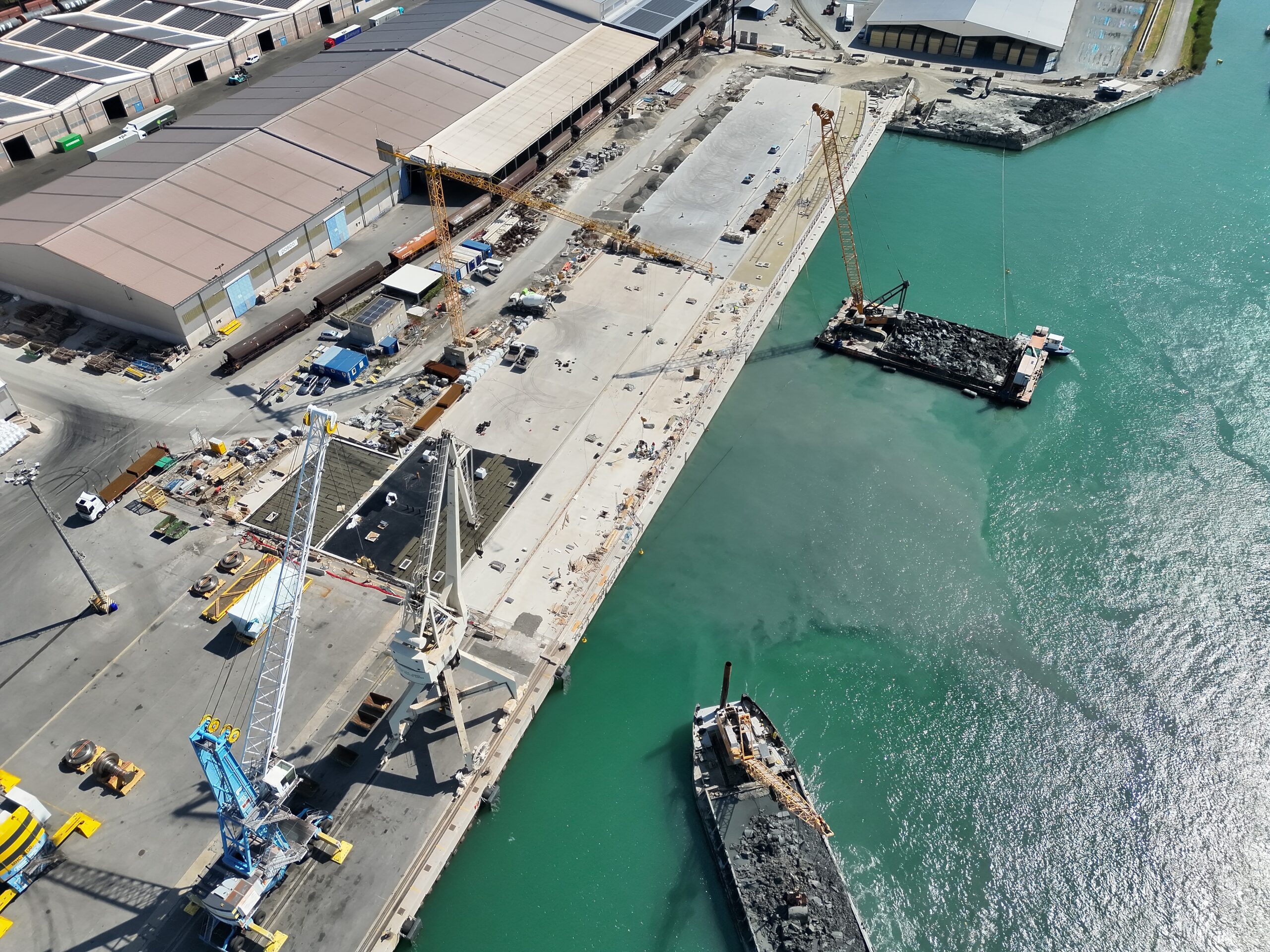
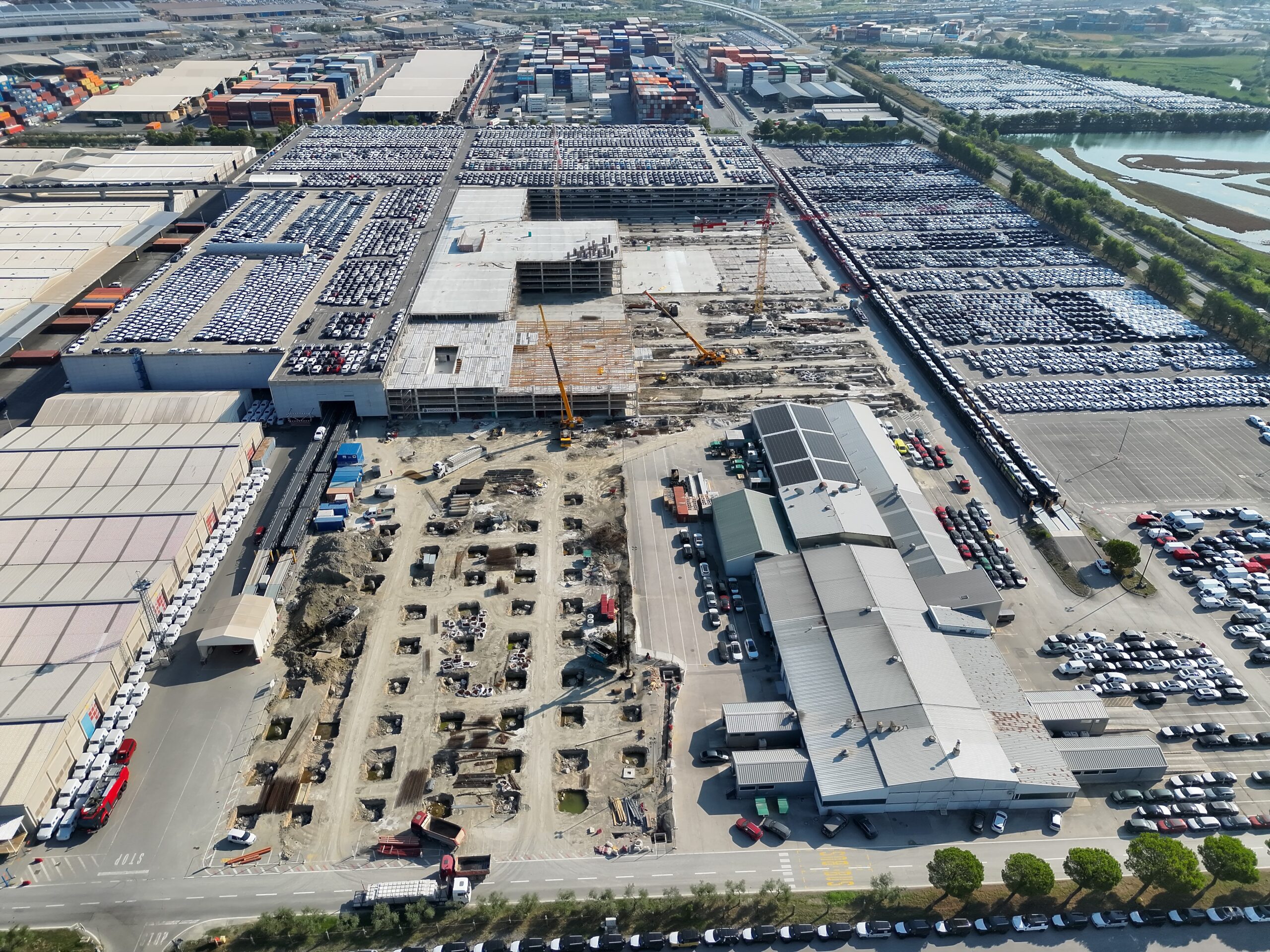
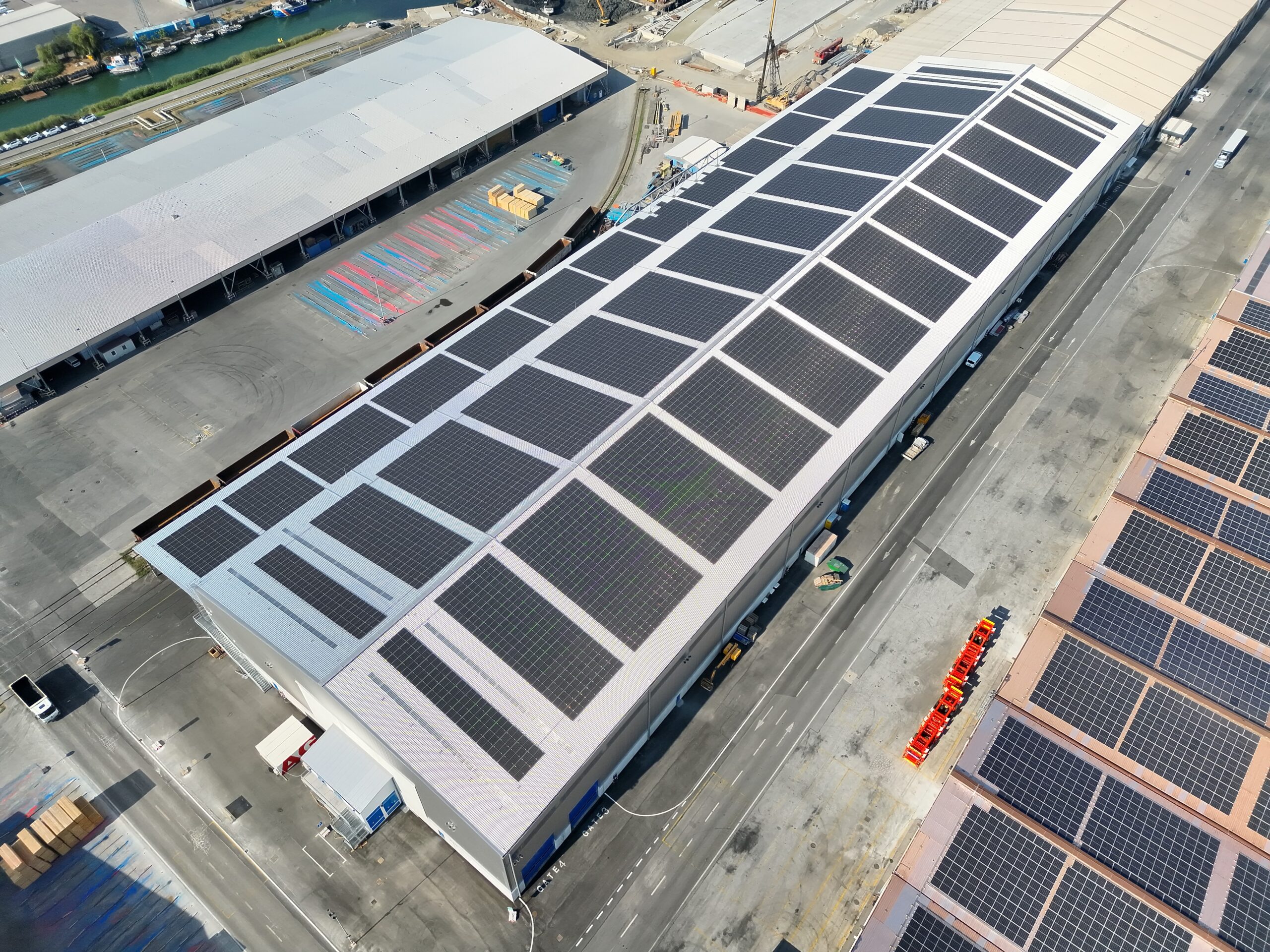
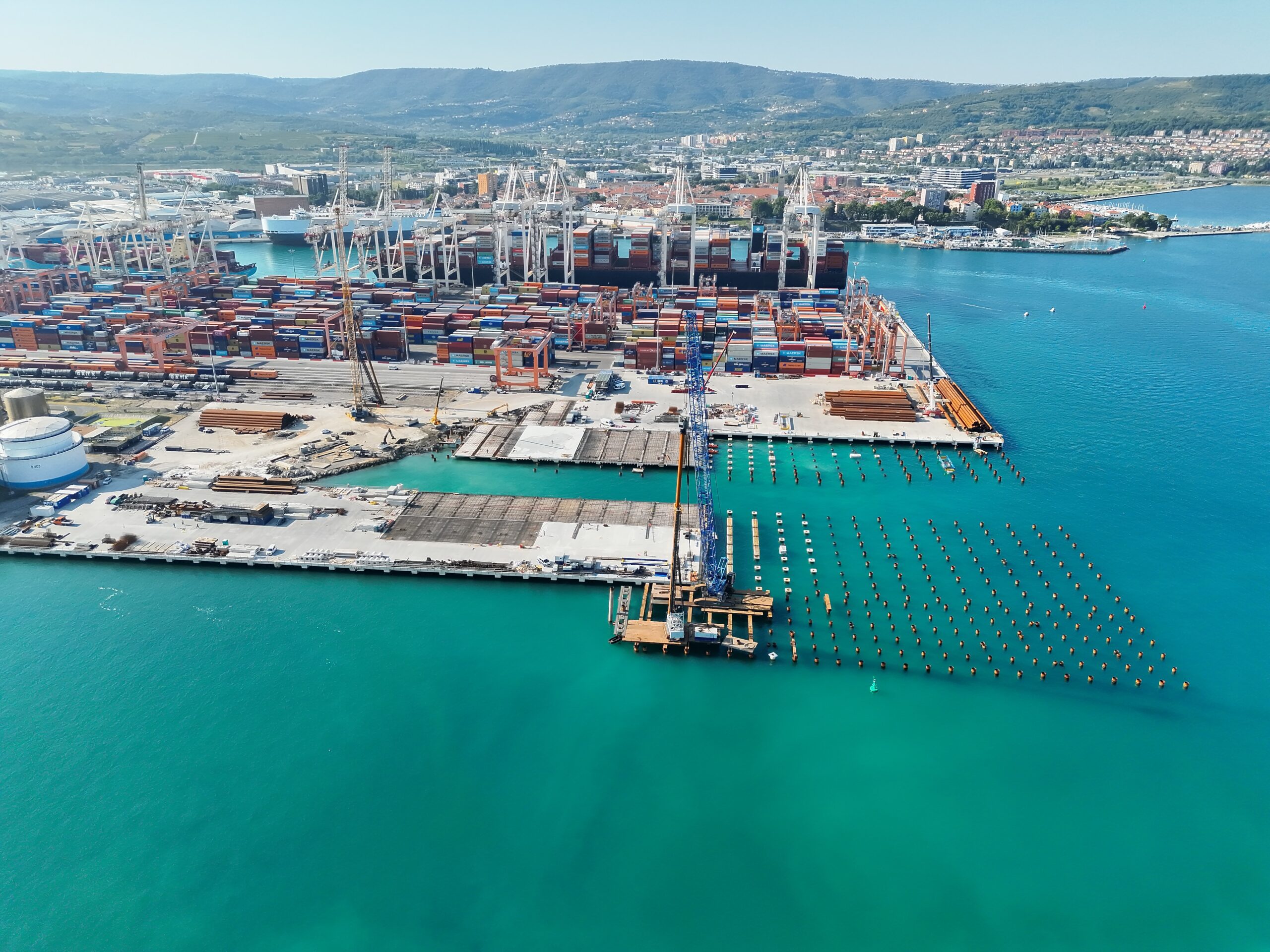
We are accelerating work on the extension of the northern part of Pier I, the construction of a multi-storey car storage facility and the relocation of storage blocks at the Container Terminal, while construction of the multi-purpose steel coil warehouse and Berth 12 on Pier II is due to be completed this year.