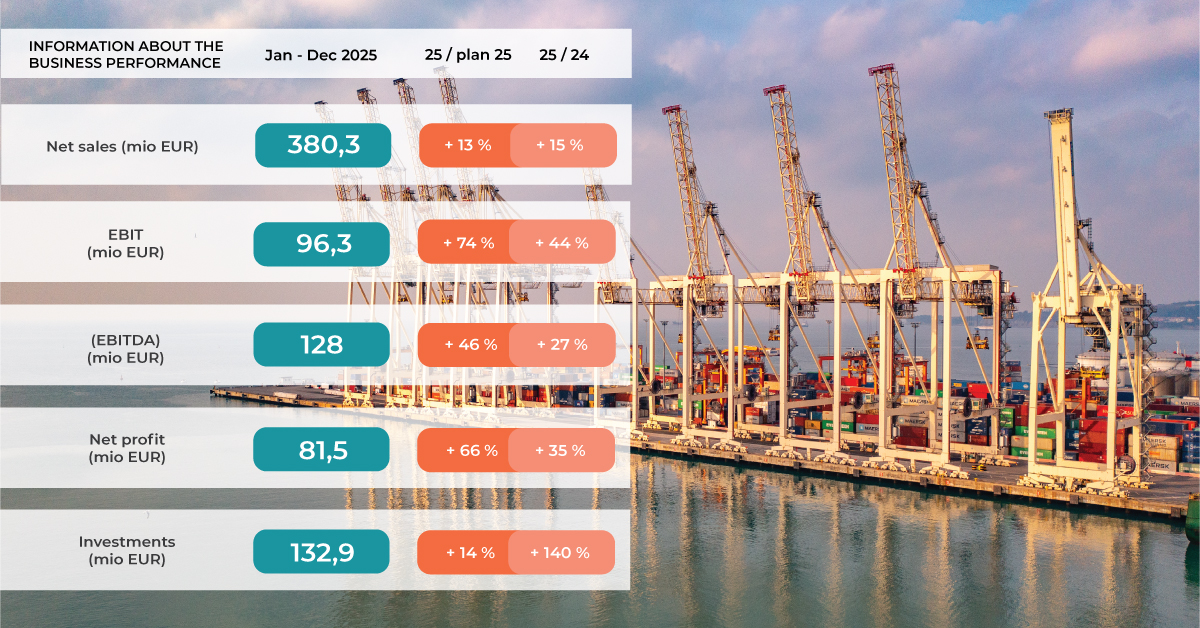
Net sales revenue of the Luka Koper Group reached EUR 380.3 million in 2025, exceeding the plan by 13% and surpassing the 2024 results by 15%. The increase in revenue was primarily driven by higher container and vehicle throughput, as well as increased storage revenue.
Compared to 2024, the Group’s operating profit (EBIT) increased by 44% or EUR 29.3 million, reaching EUR 96.3 million. This result also exceeded the planned figure by 74% or EUR 40.8 million, driven not only by higher sales revenues, but also by an increase in other revenues. Despite higher operating costs resulting from additional hiring, performance‑related payments and increased energy and material expenses, the Group’s overall performance was positively influenced by strong sales performance, a higher financial result and solid contributions from associated companies. The Group’s net profit reached EUR 81.5 million, representing a 35% increase or EUR 21.2 million more than in 2024 and 66% above the planned figure.
“As a company, we have repeatedly demonstrated that we operate a flexible port business model capable of managing fluctuations arising from changes in the economic environment. The business results achieved last year are all the more remarkable considering that they were delivered in the midst of an exceptionally intensive investment cycle, which brings numerous operational and process‑related challenges to port operations,” said Nevenka Kržan, President of the Management Board of Luka Koper, upon the release of the results.
Still the Adriatic’s leading container port
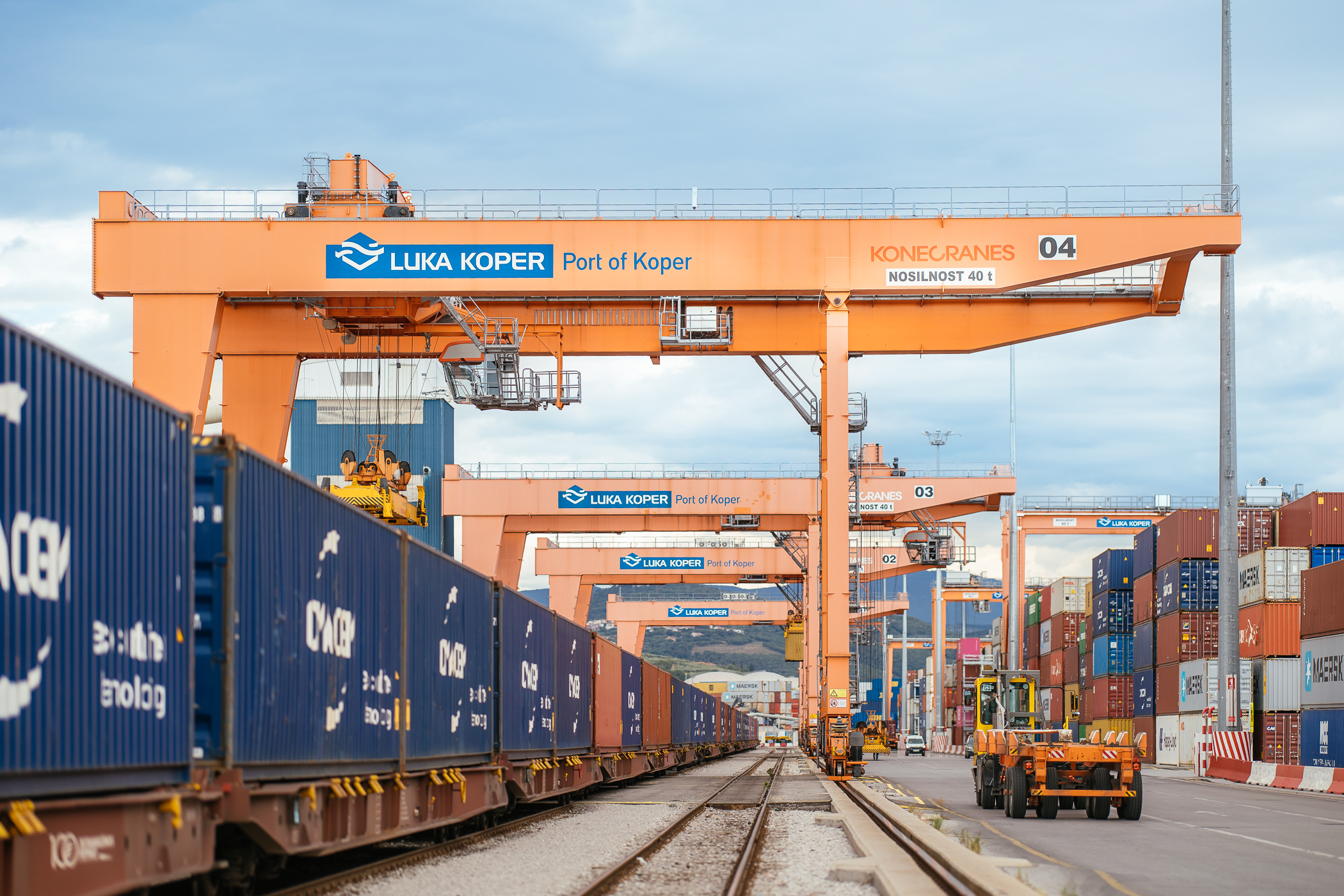
The Container Terminal recorded an impressive 12% growth, reaching a new all‑time record with a throughput of 1,272,161 container units (TEU). The increase was driven mainly by new business operations related to the supply and equipment of production facilities in the port’s hinterland markets, as well as by restructured shipping services from the Far East and within the Mediterranean. The Car and RO‑RO Terminal also achieved a 3% increase with 914,817 units handled, primarily due to the import of vehicles from various Chinese manufacturers, along with higher export volumes to Mediterranean countries.
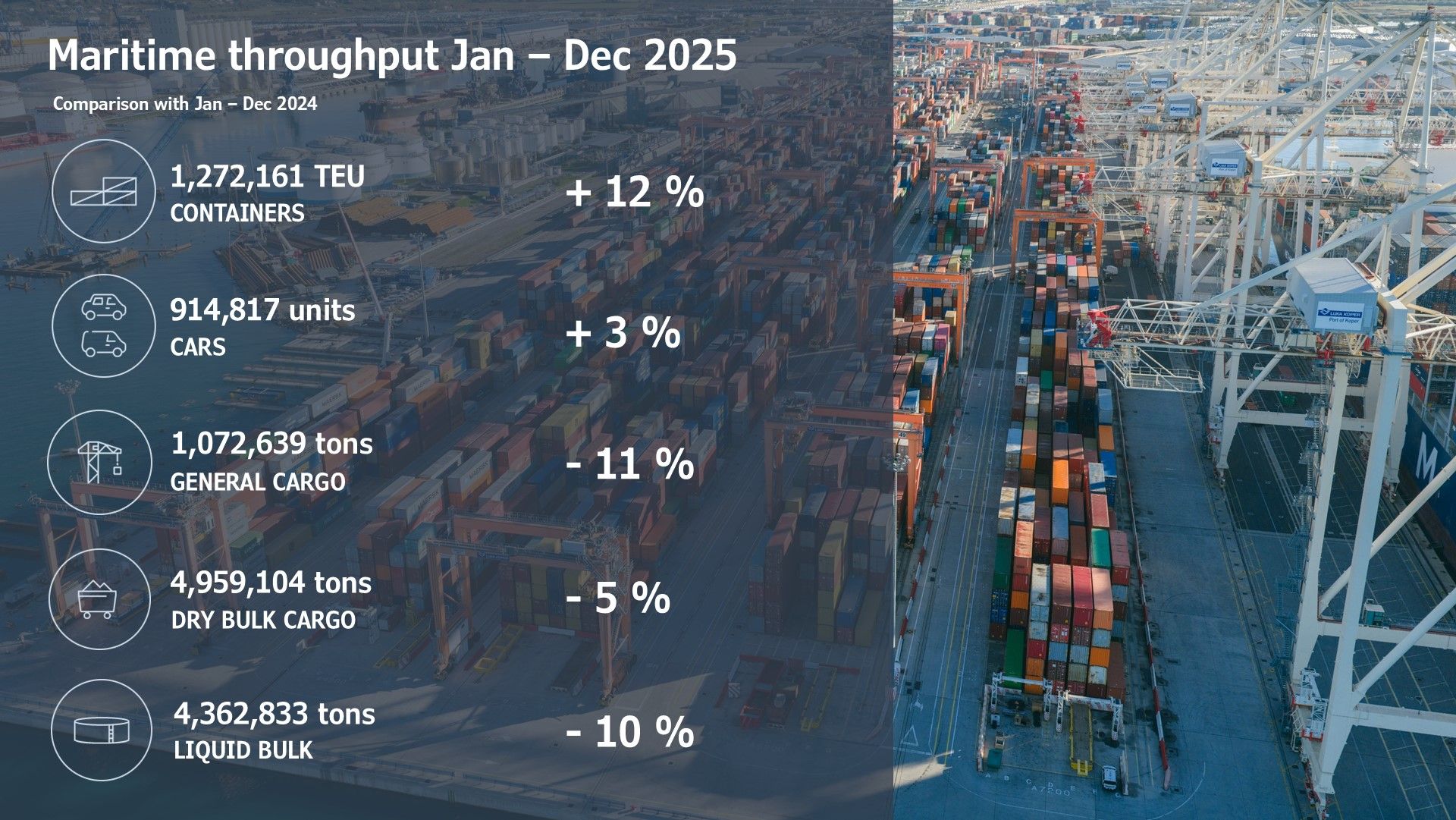
Throughput was slightly lower in the general cargo segment where demand for various project cargoes continues to grow steadily, as well as in the dry and bulk cargo segment, mainly due to reduced volumes of iron ore.
Total maritime throughput reached 23,003,522 tonnes, remaining at the same level as in 2024. Despite restrictions due to upgrades and modernisation of Slovenia’s railway network, the modal split once again shifted in favour of rail transport, which accounted for 51%.
At the Passenger Terminal, 2025 marked a record season with 80 cruise ship arrivals – the highest number ever recorded – and a total of 123,928 passengers, just 1% or 1,401 passengers fewer than in 2024. In May, the Port of Koper inaugurated its new, modern Passenger Terminal, coinciding with the 20th anniversary of the first cruise ship arrival in Koper and the launch of terminal’s operations.
Many investments in 2025, with even more planned for this year
Last year, several development projects were launched at the Port of Koper as part of a comprehensive investment cycle that will be completed by 2028, in line with the company’s current Strategic Business Plan.
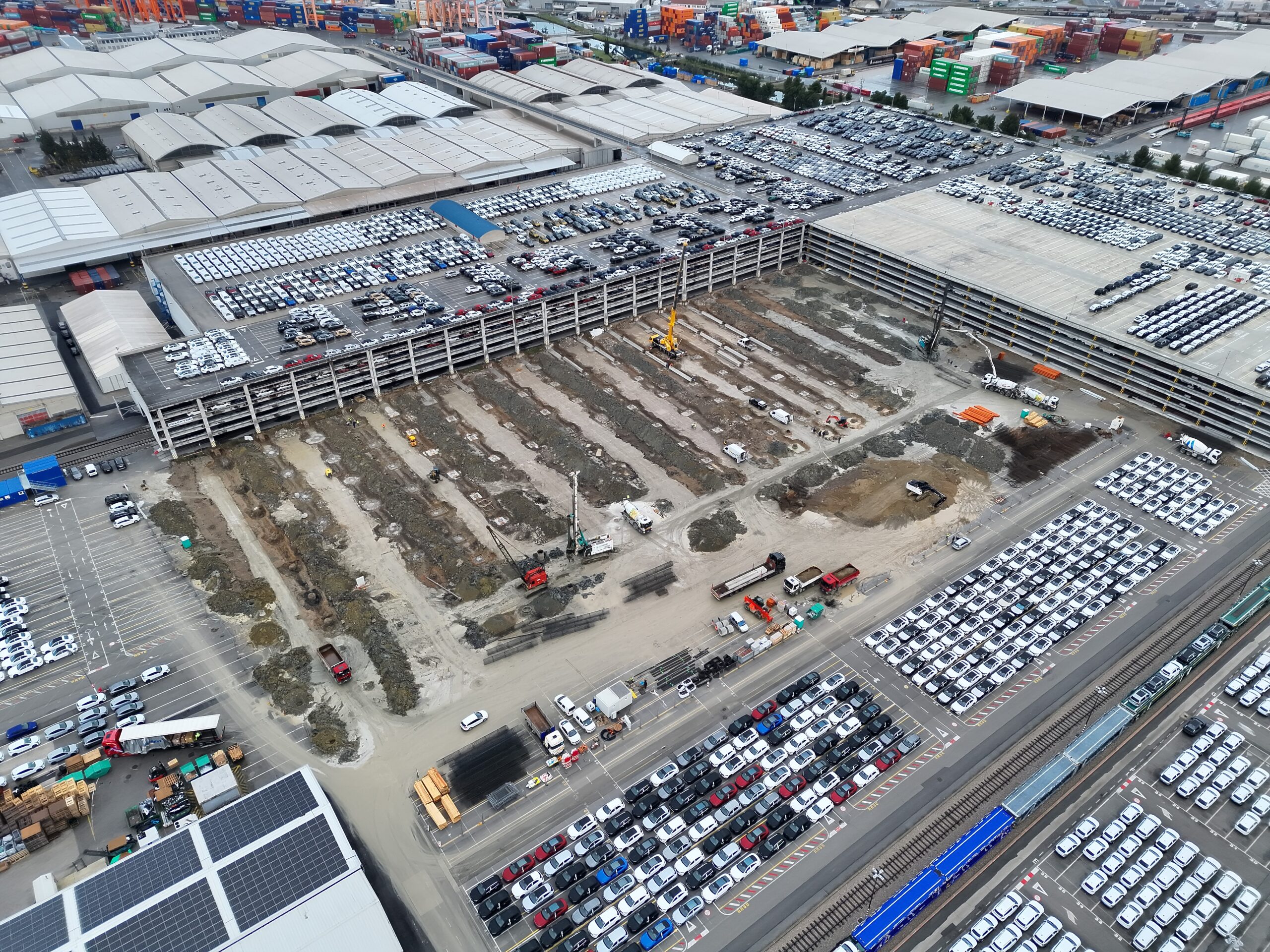
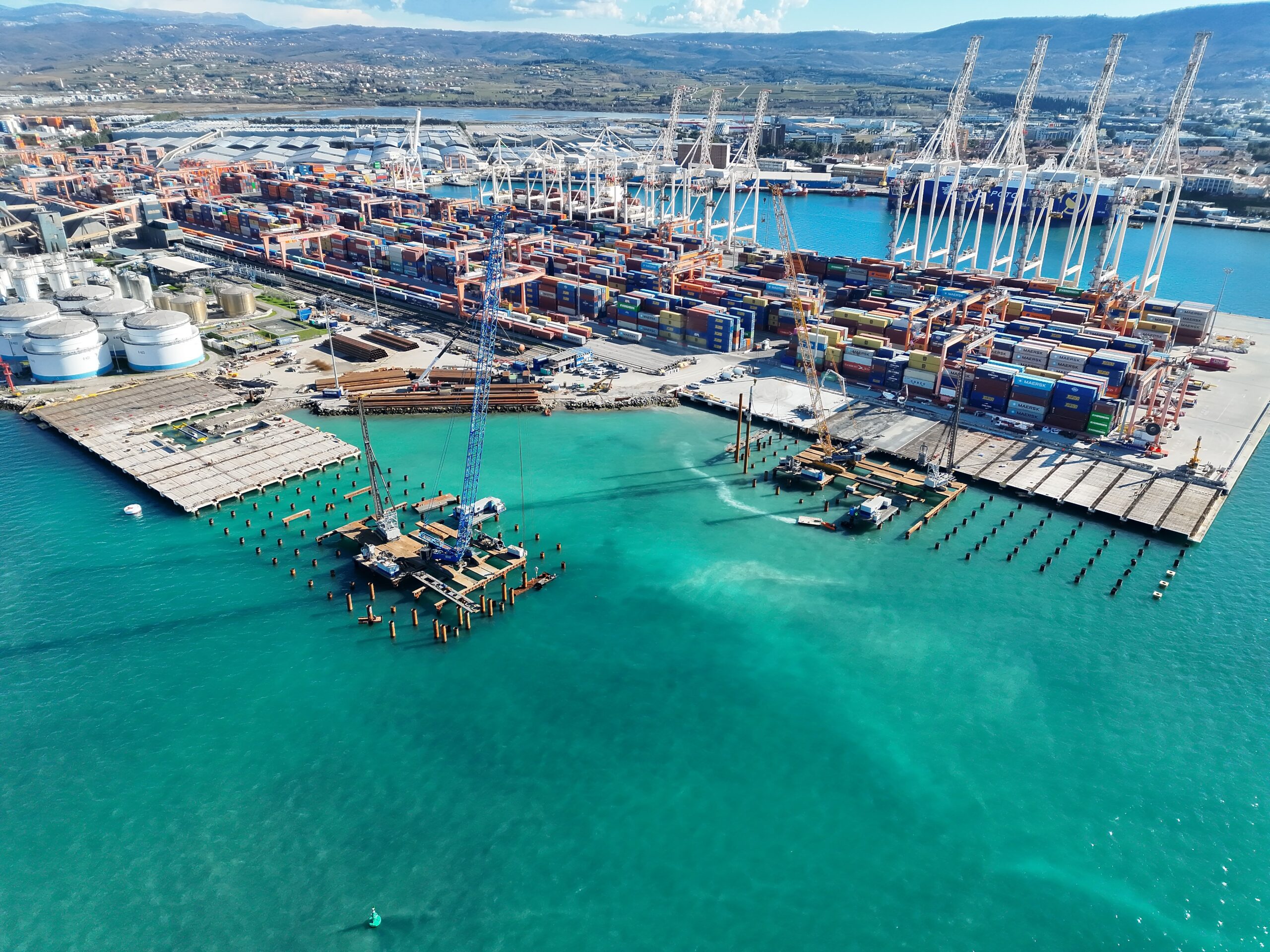
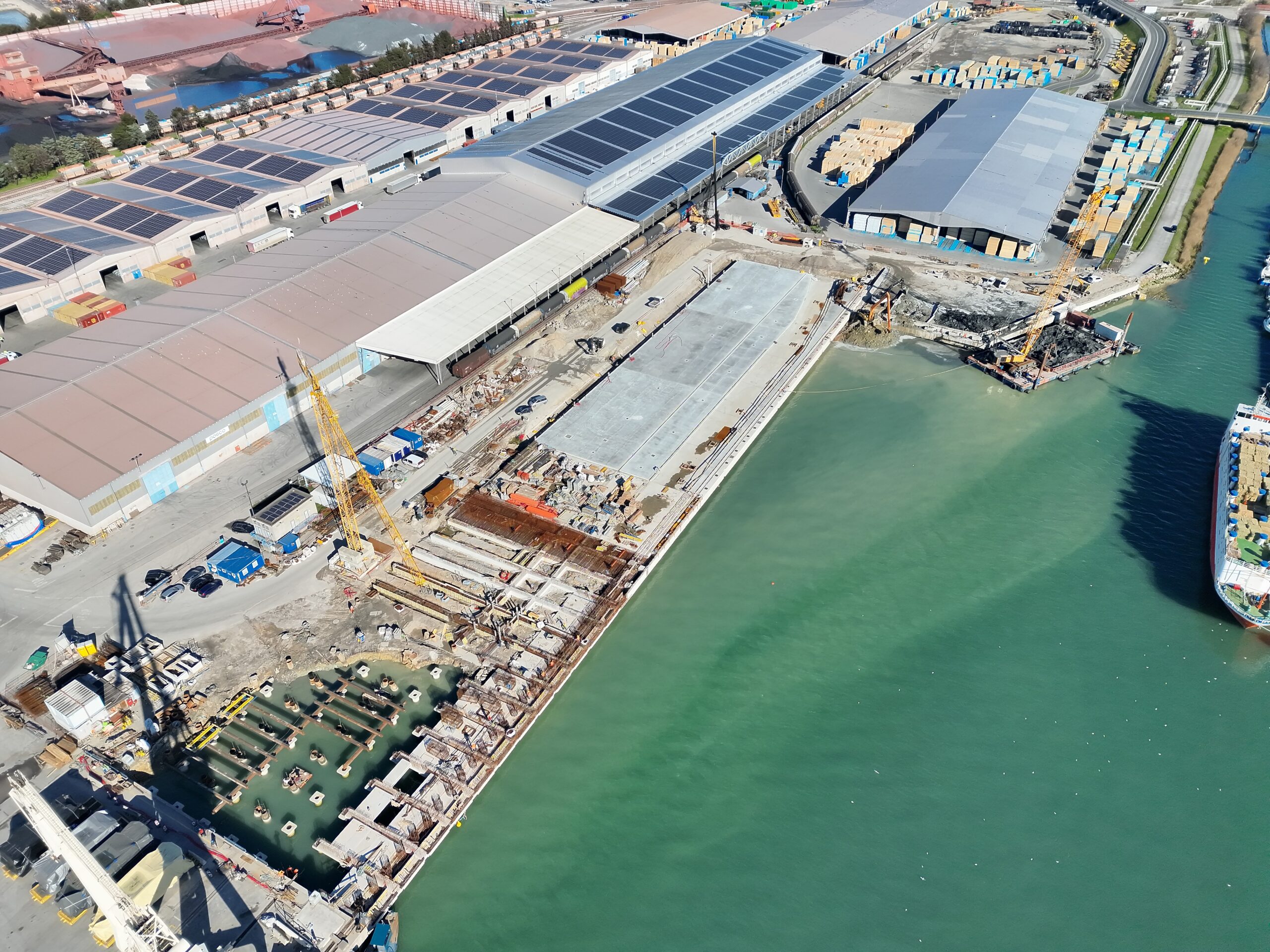
In 2025, a total of EUR 132.9 million was allocated for investments, of which EUR 42.9 million was dedicated to sustainability‑related initiatives. Investment activity will intensify further in 2026, when the Luka Koper Group plans to invest EUR 201 million. In line with the project timeline, construction continues on the new container quay and storage areas in the northern section of Pier I, as well as on the multi‑storey car garage with a capacity of 11,700 vehicles. Two major projects will be completed later this year – the automated and energy‑self‑sufficient warehouse for steel coils and the Berth no. 12 designed for project cargo, equipped with a vehicle handling ramp.