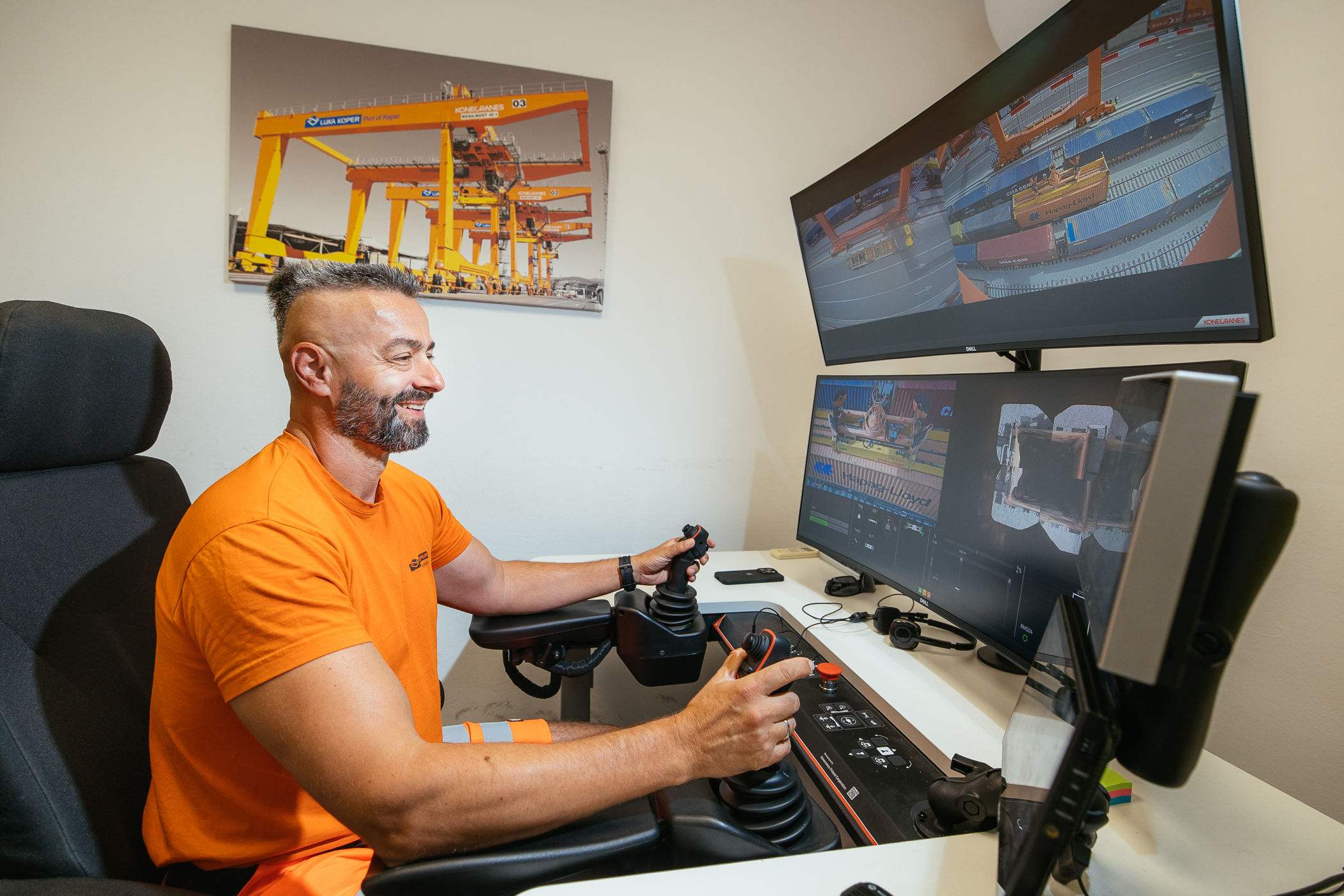
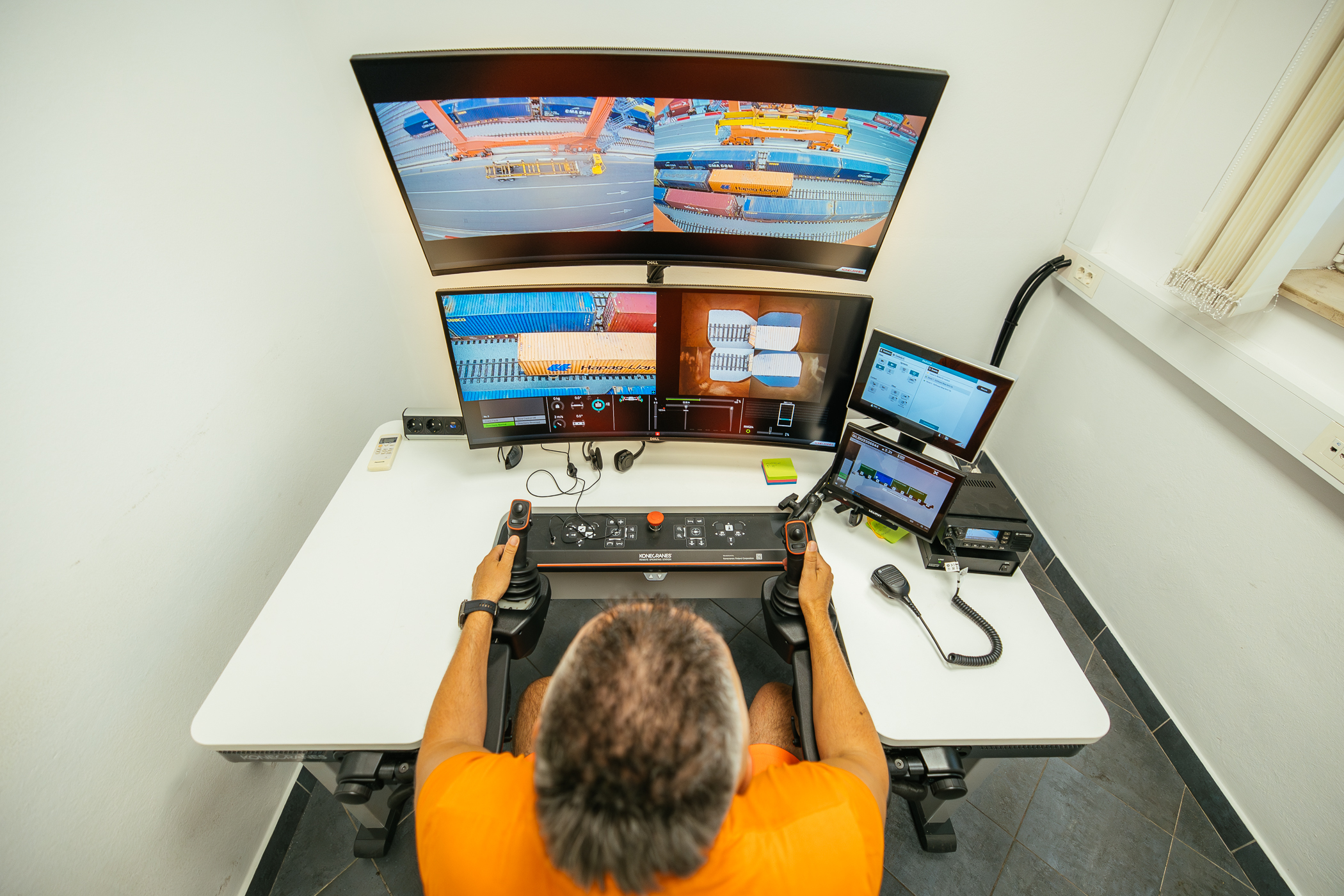
The remote‑control project is not merely a technological upgrade, but a practical improvement in day‑to‑day operations and employee well‑being. One of its main advantages lies in creating a safer and more worker‑friendly environment, as operations are carried out from a modern, technologically equipped control room, where the risk of injury to both people and equipment is significantly reduced. Remote crane operation also ensures much better working conditions for operators, as it allows them to work from an ergonomically designed office environment where physical strain is minimised and the workspace is shielded from weather and operational factors that could otherwise be distracting or uncomfortable.
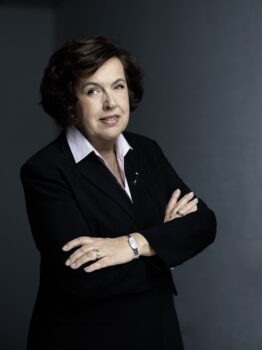
“The remote-control system represents an important step on the path of digital transition and the introduction of the Smart Port concept, as it combines advanced technology, greater efficiency, and improved working conditions. In this way, we are pursuing the goals defined in the company’s Strategic Business Plan for the period 2024–2028,” said Nevenka Kržan, President of the Management Board, about Luka Koper’s objectives on its journey toward becoming a Smart Port.
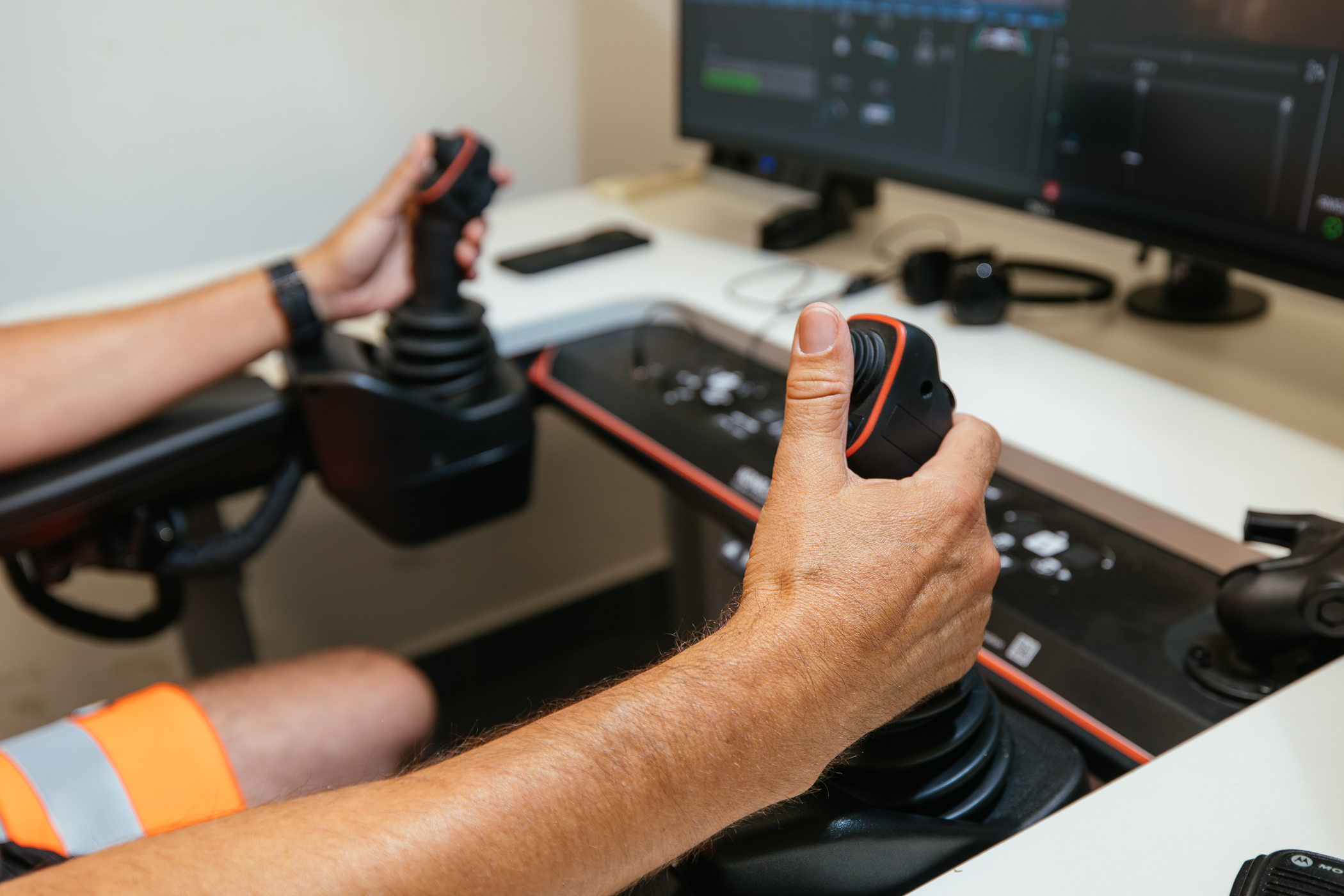
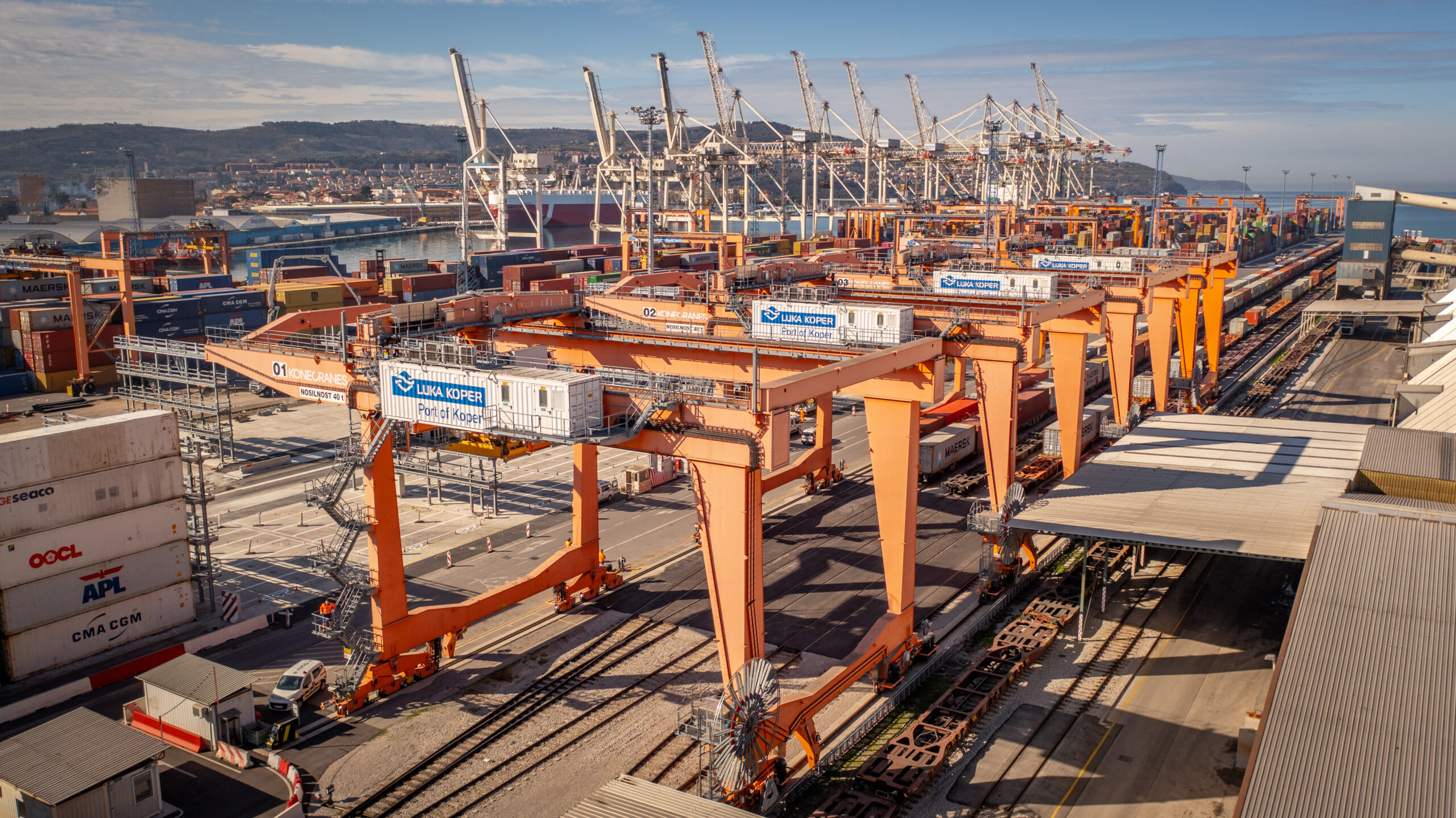
Some employees at the Container Terminal have already been trained to operate RMG cranes remotely and have successfully performed their first remote operations. As the employees pointed out, working in the control room is physically easier and less stressful compared to working at height, due to the calmer environment. Training is fast and effective, as the RMG crane control console is very similar to the one used directly on the cranes.
Remote control also enables better use of working time, as it allows easier access to the workplace without physical effort. This results in a more efficient start and end to the working day. The new form of work also brings additional advantages and improvements, as operators will have greater visibility over the work site, which in the medium term will be reflected in higher productivity and operational efficiency across the entire terminal. As announced by Edvin Boškin, Technical Manager at the Container Terminal, Luka Koper plans to upgrade the remaining RMG cranes in the future to allow remote operation: “All cranes that will operate on the newly constructed areas and quays on the northern part of Pier I will also have the option of remote control.”
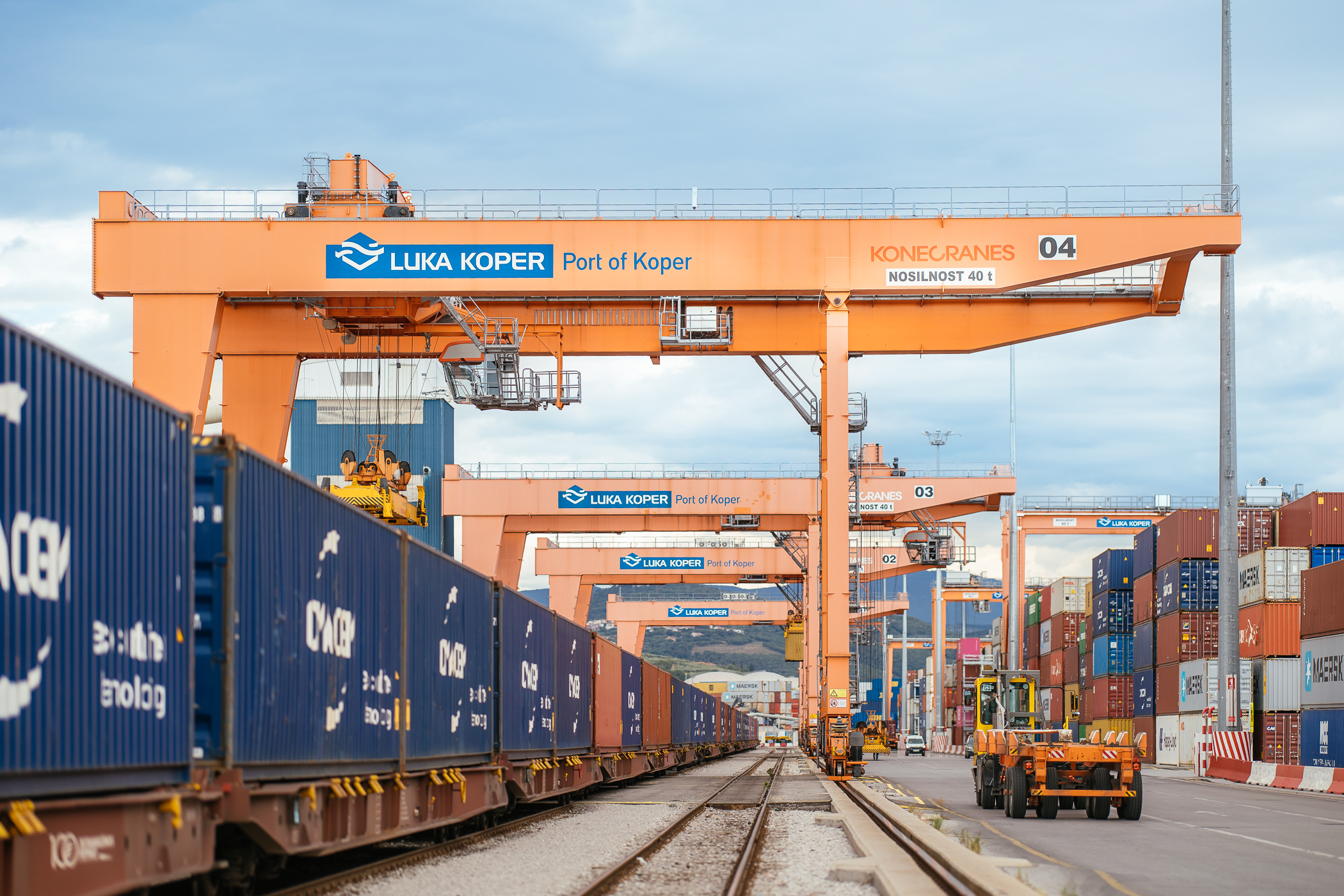
New forms of work also open up a broader pool of personnel, as cranes can be remotely operated by employees who, due to certain health limitations, were previously unable to work in the field or at height. The profession will undoubtedly become more attractive to younger generations seeking modern, digitally supported, and technologically advanced working environments.